AC

AC Making Unusual Buzzing Sounds: Sugar Land Solutions

When your AC starts making an odd buzzing noise, it’s more than just annoying. It’s a warning sign. These unusual sounds can quietly point to bigger problems, many of which are easier to fix early if caught in time. With Sugar Land facing long, hot summers, a faulty AC system can quickly turn from inconvenience to full-blown discomfort. It’s the kind of problem that can sneak up on homeowners, especially when daily noise tends to blend into the background during busy routines.

That buzzing sound might be telling you something is off. Whether it’s a loose part, an electrical issue, or debris stuck somewhere it shouldn’t be, letting it go unchecked could lead to more wear and tear, higher energy bills, or even a system breakdown. Paying attention early not only keeps your home more comfortable but can also save you stress and money later on. If your AC in Sugar Land is buzzing, here are the most likely causes and how to respond.

Common Causes of Buzzing Sounds in AC Units

Buzzing doesn’t happen for no reason. Chances are, it’s pointing to a mechanical, electrical, or environmental issue inside your AC unit. Some of these problems are relatively small on their own but can quickly grow into more serious repairs if they are ignored.

1. Loose or Unbalanced Fan

Fans inside the outdoor condenser or indoor blower can cause a buzzing sound when something becomes loose or unbalanced. Over time, bolts and fasteners can loosen due to vibration or wear. When this happens, the moving parts don’t spin the way they’re supposed to. You might even hear the noise change as the fan speeds up or slows down.

Look for signs like:

– Intermittent buzzing that starts and stops with your AC cycles

– A clicking sound when the fan stops

– Warm air coming from the vents even when the system is running

If the fan is wobbling or making noise that gets worse over time, it’s best to shut off the unit to avoid further strain.

2. Electrical Issues

Buzzing can also come from the electrical components. A faulty capacitor or contactor often produces a low-frequency hum or buzzing sound when it’s struggling to operate correctly. These parts help power the compressor and fan motor, and if they are damaged, your AC may have trouble starting up or running properly.

Electrical issues should always be handled by someone trained. Faulty wiring or failing electrical contacts can become a fire hazard if left alone. If you hear consistent buzzing near the control panel or electrical box, or your AC hesitates when turning on, call in our professionals right away.

3. Debris or Obstructions

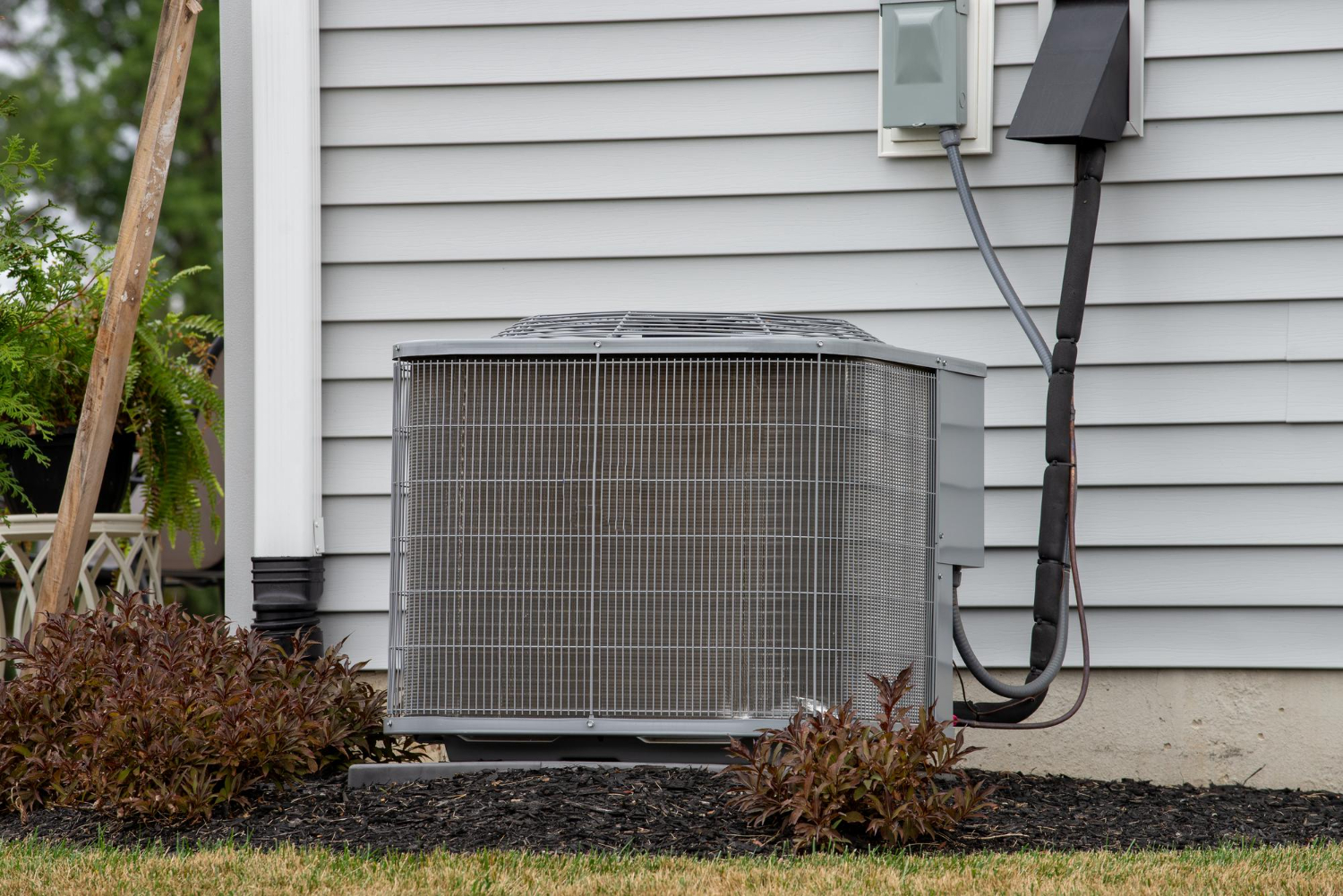
Leaves, twigs, or even nesting materials can find their way into the outdoor unit. When foreign objects touch or block moving parts like the fan blades, they can cause buzzing or rattling sounds. Dirt can also clog up crucial components, causing strain that sounds like buzzing from the outside.

To avoid this:

– Check around your outdoor unit every few weeks

– Remove leaves, grass clippings, or overgrowth

– Make sure there’s clear space around the entire perimeter

One Sugar Land homeowner found that a branch had slipped through the top of the fan grate after a storm. It didn’t seem like much, but it was enough to brush the fan blades and create a loud buzz each time the AC kicked on.

4. Refrigerant Leaks

Although less common, a refrigerant leak can make a buzzing noise under the right circumstances. If pressure inside the lines becomes unstable, you might hear a strange vibration or humming that seems deeper in the system. This can be difficult for most people to identify without specialized equipment, but there are other clues to watch for.

Signs of a potential refrigerant issue include:

– Ice on the refrigerant lines

– Warm air blowing from the vents

– An oily residue near the AC connections

These kinds of problems can put your system’s performance at risk and need attention from our technicians as soon as possible. The longer refrigerant leaks go unchecked, the more damage they can cause.

Immediate Steps Homeowners Can Take

If your AC system in Sugar Land starts making a buzzing sound, taking action early can help prevent bigger problems. While you shouldn’t attempt repairs without proper tools or training, there are a few safe steps you can take to get a sense of what might be going on.

Start with these basic checks:

– Turn off the AC system at the thermostat and circuit breaker

– Walk around the outdoor unit and look for any debris, such as leaves, branches, or trash lodged near or inside the fan area

– Check for any open panels, missing screws, or visible rust or wear on parts like the fan blade

– Listen for continued buzzing even when the system is powered off. This could point to an electrical issue that needs immediate attention

If your AC kicks on but the fan outside doesn’t spin, or if the buzzing gets louder with each cycle, stop using the system entirely. Running a damaged system can cause more stress on the compressor and lead to costly repairs. If you’re unsure what’s safe to inspect or touch, that’s a sign it’s time to call our technicians to take a closer look.

Homeowners often underestimate how quickly a small issue, like a loose part or minor blockage, can impact the overall system. A short delay can lead to overheating, reduced performance, or even a complete shutdown right when temperatures in Sugar Land are at their peak.

Why Professional AC Repair Matters

Unusual noises should never be ignored. What starts as a soft hum or irregular buzz can be tied to deeper electrical problems or pressure imbalances. These sound problems, when overlooked, tend to lead to increased wear on the motor or compressor. These are two of the costliest components to replace in any AC system.

Professional diagnosis doesn’t just solve the noise. It targets the cause behind it. Our technicians are trained to properly test circuits, assess refrigerant pressure, and evaluate how components are performing under load. That means any repair is based on real-time system behavior, not guesswork.

Getting ahead of an issue doesn’t always mean major repairs. Often, a quick part replacement, adjustment, or cleaning can prevent repeat service calls and help your AC run better throughout the season. Timely repairs also improve airflow and efficiency, which directly affects your comfort and cooling costs. The sooner an unusual buzz is addressed by our professionals, the better the outcome.

Tips To Keep Your AC Running Without Strange Noises

Preventative maintenance makes a big difference in how your AC performs and how long it lasts without strange buzzing sounds. Regular service visits give our technicians a chance to inspect the system thoroughly before something goes wrong.

Here are a few tips to help reduce the chances of unusual noises:

– Keep the area around the outdoor unit clean and clear of weeds, dirt, and clutter

– Make sure vents inside the home are not blocked by furniture, rugs, or drapes

– Replace the air filter every 1 to 2 months during the summer when the system runs more often

– Pay close attention to the sound of your AC. Any new or louder noises usually mean it’s time to schedule an inspection

In Sugar Land, where the heat often lingers well into the fall, staying ahead of AC issues helps avoid mid-season breakdowns. Our technicians check for loose bolts, worn electrical contacts, and early signs of refrigerant leaks that could later cause buzzing.

A professional maintenance plan also helps stop noise problems before they begin. We inspect every section of the cooling system, not just the parts making noise. That way, issues like corrosion, blockages, or insulation wear don’t go unnoticed.

Protecting Your Comfort in Sugar Land's Heat

Buzzing sounds from your AC system can start small but lead to larger problems if ignored. From fan issues to electrical faults, each cause has the potential to weaken performance or trigger a shutdown. As Sugar Land heats up in the late summer months, your system is already under pressure, and any extra stress can shorten its working life.

By responding early, keeping the area around your AC clean, and reaching out when something doesn’t sound right, you can avoid unnecessary repairs and discomfort. Whether the buzzing is steady or off and on, it’s always a sign worth investigating. Small signs often point to something more, and knowing when to involve our technicians makes all the difference.

With the right support and a clear plan, your cooling system can stay reliable from one season to the next. Getting ahead of small noise issues helps protect your comfort, safety, and peace of mind, especially during Sugar Land’s hottest days.

If your unit is making persistent buzzing sounds, addressing the issue with the right expertise is key to avoiding further damage and ensuring comfort during Sugar Land’s hot months. Mega A/C Cooling & Heating is ready to support you with professional service. Consider scheduling AC repair in Sugar Landto restore your system’s performance, and for a quick estimate or to book a service, please contact us today.
Heat Pump

Heat Pump Emergency Mode Issues in Sugar Land Homes

A reliable heat pump plays an important role in keeping homes in Sugar Land comfortable year-round. It helps maintain comfort on both hot and mild days by adjusting based on your home’s specific needs. But when this system shifts into emergency mode, it’s often a sign that something’s not working as it should.

Emergency mode is designed to keep your home warm when the main heat pump can’t run properly, but this backup function isn’t meant to be used long-term. It often means something more serious is going on with your unit. Knowing what triggers this response and how to spot it early can help prevent further damage and higher energy bills.

Common Causes of Heat Pump Emergency Mode

When a heat pump enters emergency mode, it bypasses the main heating cycle and relies solely on auxiliary heat. This shift uses more power and isn’t efficient for long-term use. Understanding the causes can help homeowners in Sugar Land respond faster and avoid larger issues.

Some of the most common reasons why a heat pump might enter emergency mode include:

– Faulty or damaged sensors: If sensors aren’t accurately reading temperatures, the system may believe it needs to switch to backup.
– Low refrigerant levels: Refrigerant is essential for heating and cooling cycles. Low levels mean the system can’t perform as expected.
– Electrical issues: Problems with wiring, relays, or the control board can interfere with standard operation.
– Frozen outdoor coil: While unusual during summer, poor airflow or refrigerant issues can still cause this problem.
– Broken reversing valve: This key component allows the system to switch between heating and cooling. If it fails, the system may default to emergency mode.

Even one of these issues can cause a breakdown in normal operation. Since temperatures in Sugar Land can spike suddenly, a heat pump that relies on emergency mode may struggle to keep up, leading to both discomfort and higher energy costs. Left unchecked, small issues like a faulty sensor can turn into larger system failures.

Signs Your Heat Pump Is in Emergency Mode

It’s not always obvious that a system has switched to emergency mode, especially if you don’t check the thermostat often. Knowing what to watch for can help you catch the issue quicker.

Here are a few signs that point to a heat pump running in emergency mode:

– The thermostat displays “EMER” or “Emergency Heat”
– Uneven heating throughout the home
– The outdoor unit isn’t running, but your home is still being heated
– A continuous reliance on the backup heat source
– Unusual spikes in your energy bill
– New or louder noises than usual from the indoor air handler

An example that’s common in Sugar Land involves homeowners noticing that the outside fan isn’t running, yet the inside is blowing warm air. Upon checking the thermostat, they find it set to emergency heat, even though they didn’t make the change themselves.

These warnings often mean something inside the system has failed or isn’t functioning well enough to carry the heating demand. Acting soon after spotting these signs will make it easier to avoid larger repairs and potential system damage.

Immediate Steps to Take When Your Heat Pump Enters Emergency Mode

When a heat pump in Sugar Land goes into emergency mode, it’s best not to panic. This mode is built in as a backup safety net, but only for short periods. If you’re dealing with this situation, there are a few basic steps you can safely take before calling in a professional to inspect the system.

Try these actions to help get a better idea of what might be happening:

1. Check the thermostat settings: Make sure it’s not been switched to emergency heat by mistake. Children, guests, or even small accidental touches can change settings without noticing.
2. Inspect the outside unit: Confirm that the unit is powered on and has no visible blockages, debris, or damage. Clear out nearby items that might be blocking airflow.
3. Power cycle the system: Turn off the heat pump at the thermostat and then at the breaker for a few minutes. This can sometimes reset error codes and bring the system back to normal.
4. Make sure air filters are clean: Dirty filters reduce airflow and can cause heat pumps to work harder, sometimes triggering emergency mode.
5. Look and listen for anything unusual: Buzzing sounds, weak airflow, or water around the unit may offer clues that something’s gone wrong.

If none of these steps improve the situation or the system keeps switching back to emergency heat, it’s important to stop troubleshooting and request professional help. Prolonged use of emergency mode can wear out the system and lead to increased energy use and further complications.

Why Professional Repair Is Necessary for Emergency Heat Mode

While it may be tempting to figure out the problem on your own, relying too much on temporary fixes can easily make things worse. A heat pump is made up of electrical parts, pressure controls, and sensitive components. Improper handling or delayed service can turn a minor repair into a full system failure.

Our technicians are trained to identify these problems accurately and address the root cause. Whether it’s a failing reversing valve, refrigerant leak, or electrical short, specialized tools and diagnostic knowledge are needed to complete repairs properly.

Working with someone who understands these systems deeply avoids guesswork and risk. It also shortens repair time and helps ensure long-term performance. Most importantly, it restores full system operation without relying on costly auxiliary heat.

Keeping Your Heat Pump Reliable in Sugar Land

Summer and fall temperatures in Sugar Land can put extra stress on your HVAC system. One way to avoid emergency heat issues is by keeping up with regular maintenance. A thorough inspection by a trained technician can catch early signs of wear, identify hidden trouble spots, and keep your heat pump running smoothly.

Routine maintenance helps:

– Test thermostat accuracy
– Check refrigerant levels
– Clear drain lines
– Clean the unit and replace filters
– Inspect electrical connections and safety controls

Ignoring these small steps can lead to major repairs down the line, especially when high temperatures push your system to work harder. Whether your heat pump is older or just recently installed, regular inspections give you peace of mind and better indoor comfort.

If your heat pump in Sugar Land is acting up or switching into emergency mode often, it’s time to have it looked at by someone who understands how to correct the issue. Treating the symptoms isn’t enough—making sure the system is fully restored and reliable is the best path moving forward.

If your heat pump continues to trigger emergency mode and you’re noticing more frequent disruptions, it may be time to schedule professional heat pump repair in Sugar Landwith Mega A/C Cooling & Heating. Our experienced technicians can quickly identify the issue and restore your system to full functionality. For a quick estimate or to book a service visit, please contact ustoday.

AC

Key Factors to Consider When Replacing Your AC in Sugar Land

If your AC has been acting up or leaving parts of your home feeling warm during the peak of summer in Sugar Land, you’re not alone. Air conditioners don’t last forever, and once they start breaking down frequently or struggling to keep up with your cooling needs, it might be time to think about replacing the system. Many homeowners delay this step, hoping repairs will solve the issue, but ongoing problems can often lead to higher utility bills and more discomfort indoors.

Getting a new AC system can significantly change the way your home feels during hot afternoons. A newer unit runs more efficiently, cools the house faster, and often works quieter than older models. On top of that, it can help reduce operating costs over time. But before you schedule a replacement, it’s smart to look at a few key factors first. Choosing the wrong size or type of unit can lead to more problems later on.

Assessing Your Current AC System

Before jumping into a replacement, it’s important to take a close look at your current air conditioning setup. How well is it cooling your home? Is it running constantly without making a difference in the indoor temperature? These performance issues are often signs it might be time for an upgrade. Older systems tend to lose efficiency year by year, especially if repairs have become more frequent.

Here are a few questions to help you evaluate your current unit:

– Is your AC more than 10-15 years old?
– Have you noticed higher energy bills without changing your usage?
– Are you scheduling multiple repairs each season?
– Does your home feel humid or warm even when the AC is running?
– Are some rooms cooler than others?

If you answered yes to more than one of these, there’s a good chance your system is near the end of its life. Another sign is noise. If your unit is making strange sounds or seems to labor heavily to keep up, that often means internal parts are wearing down.

Energy efficiency should also play a role in your decision. Older systems typically operate with lower seasonal energy efficiency ratios (SEER), meaning they use more electricity to do the same job a newer system can handle effortlessly. Higher energy use doesn’t just raise your bills, it can also place extra strain on your electric setup during peak summer usage in Sugar Land.

One local homeowner installed three new ceiling fans and adjusted the thermostat up a few degrees to give their aging AC a break, but those quick fixes didn’t last the summer. Their system still ran long hours and didn’t cool the house evenly. That’s often the reality when an air conditioner has reached its limit.

Choosing The Right AC Unit

There’s no one-size-fits-all solution when it comes to air conditioning units. Choosing the right one makes all the difference in comfort and performance. With several types of systems available today, narrowing down your options can feel a bit overwhelming.

Here are some common types of AC systems:

– Central AC: Good for whole-home cooling, usually used in homes with ductwork already installed.
– Ductless Mini-Split: Ideal for homes without ducts, or where room-by-room control is a priority.
– Packaged Systems: Usually placed outdoors, suitable for smaller homes or tight spaces.

When you’re selecting a new unit, think about the size of your home. Larger spaces require more power, but installing an oversized unit can actually lead to problems like short cycling, when the device turns on and off more often than it should. This affects both comfort and energy use. On the other hand, a unit that’s too small will have to work nonstop to try to keep up.

Cooling needs can also vary based on things like ceiling height, window size, insulation, and how much direct sunlight hits the home throughout the day. That’s why professional load calculations are key during replacement planning, even if you’re replacing a similarly sized system.

Another factor to look at is energy efficiency. Higher SEER ratings often mean better performance, especially during long, hot summers like those in Sugar Land. While units with higher ratings might cost more upfront, they usually make up the difference by lowering monthly cooling costs.

Budget matters too. While it’s tempting to go with the least expensive option, balancing price with performance, efficiency, and long-term durability leads to better comfort and fewer issues later on.

Understanding The Installation Process

Once you’ve chosen the right AC system for your home in Sugar Land, the next step is a smooth and professional installation. This part of the process is often underestimated but matters just as much as selecting the right unit. A poor installation can impact efficiency, reduce the unit’s lifespan, and lead to uneven cooling or future maintenance problems.

AC replacement typically starts with a detailed evaluation of your existing system. Our professionals look at your home’s electrical work, duct layout, and ventilation to make sure the new unit is compatible. This assessment helps avoid delays or issues later on during installation.

Here’s what you can expect on installation day:

– Arrival and setup: Our technicians arrive with the proper tools and equipment needed to install your new unit.
– Removal of the old system: The team safely disconnects and removes your current AC, taking care to avoid damage to surrounding areas.
– Prep and modifications: If any updates to the ductwork, thermostat, or wiring are needed, those changes are completed before the new unit is installed.
– Installation of the new system: The new AC is carefully placed, connected, and tested for proper function.
– System check and cleanup: Our crew runs the new unit through a full cycle, checks for leaks or airflow issues, and then tidies up the space before heading out.

Professional installation helps make sure your system operates safely, efficiently, and up to its full performance potential. Cutting corners during this step may lead to low airflow, noisy operation, or cooling issues right from the start. A properly done installation allows the AC unit to run smoothly year after year.

Benefits Of Professional AC Replacement

There’s a clear difference between a job done right and a rushed or sloppy install, especially during Sugar Land’s long cooling season. Going with AC replacement handled by trained, experienced professionals offers long-term gains in comfort, cost control, and peace of mind.

Here are some of the top benefits of working with qualified technicians:

– Accurate sizing and equipment match for your home
– Full inspections and upgrades done safely to current standards
– Cleaner ductwork with improved airflow
– Lower risk of refrigerant leaks or electrical problems
– Consistent temperatures in every room

Every time an AC system is replaced correctly, the owner benefits from lower energy use, fewer repairs, and trouble-free performance during hot months. It also reduces unexpected breakdowns that leave you without cool air when you need it most. Keeping your home cool isn’t just about the newest technology. It’s how well that technology is installed and maintained.

Regular maintenance after replacement also plays a key role. Following a schedule of seasonal checkups helps keep the system running at peak performance. It can also catch small issues early, long before they affect comfort or reliability.

Stay Cool And Comfortable With A New AC

Replacing your AC system is a big choice, but it doesn’t have to be stressful. If your aging unit is no longer keeping up, upgrading to a newer model can solve a lot of daily comfort problems. You’ll feel the difference in space cooling more evenly, operating more quietly, and running more effectively, especially during the summer stretch of August in Sugar Land.

By evaluating your current setup, choosing the right type of system, and ensuring it’s installed the right way, you’re investing in the long-term performance of your home’s comfort. Replacement is about more than fixing a broken unit. It’s about building a setup that works better, lasts longer, and fits the way your household actually lives.

If your cooling system isn’t meeting your expectations anymore, it’s a sign to start planning that next step. Taking action early helps you stay ahead of emergency repairs and keeps your home comfortable no matter how hot it gets outside.

If your current cooling system is struggling to keep up during hot summer days in Sugar Land, it might be time to consider upgrading your system through AC replacement in Sugar Landfor better efficiency and lasting comfort. Mega A/C Cooling & Heating is here to ensure a smooth and stress-free transition to a modern, high-performing unit that fits your home’s needs. For a quick estimate or to book a service visit, please contact ustoday.

AC

Fixing AC Hot Spots in Different Rooms of Your Sugar Land Home

When the summer heat hits Sugar Land, a dependable AC system becomes more than a convenience—it’s a necessity. But even with your cooling system running, you might notice certain rooms in your home stay warmer than others. These temperature imbalances, often called hot spots, can make it tough to stay comfortable and may point to deeper issues in your HVAC system.

Hot spots are not just a nuisance. They can drive up energy use, wear out equipment faster, and leave some rooms uncomfortable on the hottest days. Understanding why these uneven temperatures occur and how to fix them can help improve comfort, manage energy bills, and extend the life of your AC system.

Common Causes of AC Hot Spots

Hot spots usually show up as certain rooms or areas in your house that stay hotter than the rest, even when the AC is running. This is often related to airflow—the amount, direction, and consistency of air reaching each space.

Here are some of the most common causes:

– Poor airflow preventing even cooling across rooms
– Blocked or closed vents due to furniture, curtains, or accumulated dust
– Leaky or poorly designed ductwork that allows cold air to escape
– Insufficient insulation in walls, ceilings, or crawlspaces
– Rooms with large west-facing windows that get intense afternoon sun

For example, a guest bedroom on the second floor with minimal shade and direct afternoon sunlight may heat up quickly. Combine that with poor insulation or a long run of ductwork, and you’ve got the perfect conditions for a temperature imbalance.

At times, the root cause traces back to how your AC setup was originally designed. AC systems that don’t take attic layout, room sizes, or airflow direction into account are more likely to result in uneven cooling.

Identifying Hot Spots in Your Home

Before you solve the problem, you need to locate it. Identifying hot spots is often simple once you start observing patterns in temperature shifts throughout your home.

Signs of hot spots include:

– Rooms that consistently feel warmer than the rest of the house
– Specific zones where you feel uncomfortable, even with the AC on
– Areas that take significantly longer to cool down after the AC cycles on

Walk through your home during different times of the day, especially when temperatures are high. Notice where it feels significantly warmer. Using a standard room thermometer or smart thermostat with multiple sensors helps measure differences more accurately.

Another useful method is to observe how each room responds after the AC kicks on. If certain rooms lag several minutes behind others in cooling, airflow may not be reaching them effectively. Noting which rooms are affected is a key step toward correcting the problem.

Effective Solutions for Fixing Hot Spots

Fixing AC hot spots often begins with small adjustments, and may include more advanced solutions depending on the situation. What works best depends on what’s causing the temperature imbalance in your Sugar Land home.

Here are ways to address common problems:

– Open and clear all vents in problem rooms
– Slightly close vents in cooler areas to redirect airflow
– Make sure furniture, rugs, or curtains are not obstructing vents
– Use ceiling or oscillating fans to circulate cool air more efficiently
– Add or upgrade insulation in attics, crawlspaces, or external walls
– Install blackout curtains or reflective film on windows that get a lot of sun
– Seal any gaps or cracks in doors or around windows to prevent heat entry

For homes with two stories, the upper level often becomes a hot spot. Balancing the HVAC system’s airflow can help. If your home has dampers, adjusting them can direct more cool air upstairs without overcooling the lower floor.

In older houses or those not originally designed with even air distribution in mind, standard adjustments may not be enough. Your system might benefit from zoning capabilities, which let you control cooling in separate sections of the house independently. Zoning requires system modifications, but it can provide longer-term comfort across different areas of the home.

When Professional AC Service Is Needed

Sometimes, no matter how many vents you open or windows you shade, the problem persists. That’s usually the point when homeowners should consider calling professionals to take a closer look.

Here are some signs that it might be time to schedule a service visit:

– Persistent hot rooms even after airflow adjustments
– AC runs almost continuously but doesn’t cool the whole home well
– Weak airflow coming through supply vents in hot areas
– Rising energy bills along with a drop in comfort
– The system cycles off before reaching the target thermostat setting

These types of issues can stem from blocked or leaking ducts, improper system sizing, or mechanical faults. In some cases, the problem may be hidden behind walls or in hard-to-reach places, making it tough to find without specialized equipment.

Our technicians know how to assess airflow balance, test duct integrity, and identify the source of inefficient cooling. Sometimes the fix is upgrading or modifying certain components. Other times, it may include tuning system settings or correcting issues with thermostat placement.

Allowing experienced professionals to evaluate and adjust your HVAC system can make a major difference in performance and reliability. That way, you are not just addressing symptoms, but getting to the root of the problem.

Stay Cool and Comfortable in Every Room

Uneven cooling can turn even the best days indoors into frustrating experiences. Whether it’s an upstairs bedroom that feels like a sauna or a sunny living room that refuses to cool down, AC hot spots limit the comfort of your home.

Making small changes like moving furniture or adding insulation can help in many cases. But when solutions at home don’t solve the issue, it’s a clear sign that professional AC service is needed to investigate and restore proper function.

By acting early and tuning your AC system appropriately, you can enjoy consistent cooling in every room. Reliable comfort starts with understanding what’s behind persistent hot spots and taking the right steps to fix them. Keeping your home balanced means your AC runs more efficiently and your family stays comfortable, even during the hottest Sugar Land summers.

If uneven cooling is making certain rooms in your home uncomfortable, take the next step with professional AC service in Sugar Landto help ensure consistent airflow and improved comfort throughout your home. For a quick estimate or to book a service visit, please contact us todayat Mega A/C Cooling & Heating.

AC Fan Repair

AC Fan Not Working: Solutions for Sugar Land Homeowners

When summer heat presses down on Sugar Land, the last thing any homeowner wants is a malfunctioning AC fan. The fan is a key part of keeping your home cool and comfortable. When it stops spinning or doesn’t operate correctly, your entire air conditioning system has to work harder just to push out a weak stream of air. That can quickly turn a relaxing evening indoors into a warm, frustrating experience.

If your AC is running but you’re not feeling any airflow or hear something unusual, the fan may be the issue. This is a common problem, especially during high-use months like July. Some symptoms may be easy to ignore at first, but they can lead to bigger breakdowns and higher energy use if left untreated. Recognizing the early signs can help you take care of the issue before the entire unit is affected.

Signs Your AC Fan Is Not Working

When the AC fan isn’t doing its job, your system struggles to deliver cool air. Several warning signs can tip you off that something needs attention:

– Warm air blowing from the vents or no air at all, even though the system is running
– The outside condenser unit turns on, but the fan blades don’t spin
– A buzzing sound coming from the outdoor unit
– The system starts and stops more frequently than normal
– AC runs longer but doesn’t fully cool the home

One common scenario is when the inside of the house feels warmer than usual even with the thermostat set low. You might head outside and see that the compressor is buzzing but the fan blades are still. That’s a good sign the fan isn’t moving like it should.

In some cases, homeowners report the outdoor fan works off and on, but not consistently. When this happens, cool air will flow for a few minutes and then stop completely. This kind of intermittent cooling often points to either an electrical problem or a fan motor beginning to fail.

Ignoring these signs causes more than discomfort. A non-working fan can add stress to other components, particularly the compressor. That kind of strain can shorten the life of your system, cause higher electric bills, and leave you needing an air conditioner repair in Sugar Land sooner than expected.

Common Causes of AC Fan Failure

Once you notice signs of a fan problem, it helps to understand what might be behind it. These issues can range from simple to more serious, but all require attention from trained professionals to prevent more damage.

1. Electrical problems

Wiring that is loose, disconnected, or damaged can stop the fan motor from getting a steady supply of power. Sometimes the issue is found in the capacitor or a relay switch, but it may also be due to a tripped breaker. If resetting the breaker doesn’t fix the issue, the system should be inspected.

2. Motor malfunction

The fan motor is what turns the blades and moves air through your system. Over time, the motor can wear out, especially if the system runs often. If you notice a burning smell or loud grinding noise, the motor could be overheating or getting stuck. This needs immediate attention to avoid disconnecting the fan entirely.

3. Failing capacitor

The capacitor gives the motor the push it needs to start. If it’s bad, the motor may try to turn on but fail to spin or stop unexpectedly. This can create hesitation in the fan or cause it to fail entirely. Capacitor replacements are not expensive but must be handled by trained technicians due to safety risks.

4. Dirt and debris buildup

Leaves, grass, or dirt around the outside unit can jam the fan blades or weigh down the system, keeping it from spinning properly. Regular outdoor cleaning can help, but once the buildup reaches internal components, professional cleaning is needed to clear it out safely.

Each of these problems can lead to performance loss or full system breakdown if not resolved properly. Whether it’s a quick motor test or identifying burned-out wiring, our technicians in Sugar Land can find the issue and get your system back to working condition.

Solutions and Preventative Measures

Once your AC fan starts showing signs of trouble, quick action can help stop the issue from spreading and avoid more repairs down the road. There are a few steps homeowners in Sugar Land can take to help prevent fan problems or catch them early enough for a smooth fix.

– Schedule regular AC inspections: A planned inspection before the summer heat arrives gives technicians a chance to check all major parts, especially the fan motor, electrical wires, and capacitor. This helps catch early wear and tear.

– Replace air filters regularly: Dirty air filters make your system work harder. That added pressure can raise the strain on your fan motor, which may cause it to overheat or wear down faster than normal. Try replacing your filter every one to three months, depending on usage.

– Keep the area around the unit clear: Debris like twigs, leaves, and grass can fly into the outdoor fan and block airflow. By trimming plants and clearing away yard waste around the unit, you reduce the risk of fan blade damage or clogged vents.

– Watch for odd noises or smells: Clicking, buzzing, or burning smells could point to a fan motor issue or a failing capacitor. Catching those signs early often means a simpler repair.

Although these steps help keep your AC system running smoothly, they’re not a replacement for inspections performed by trained technicians. If your unit suddenly has weak airflow or the fan stops spinning entirely, it’s time to bring in someone with the tools and knowledge to solve the issue safely and completely.

Why Professional Repair Is Essential for AC Issues

When your cooling system in Sugar Land starts acting up, an expert diagnosis makes all the difference. Many AC fan issues come from electrical components or mechanical parts that can’t be safely handled without proper training. That’s why professional help isn’t just helpful—it’s necessary.

Our technicians know how to inspect components like fan motors, relays, capacitors, and blades without causing more damage. They understand how one issue connects with the rest of the system, and that lets them make repairs that fix the real problem instead of just covering it.

A professional repair also means using the right replacement parts. Whether it’s matching the right capacitor for your AC model or determining if the motor has burned out, trained eyes help avoid future breakdowns. Without this level of detail, temporary fixes might fail quickly and lead to higher overall repair costs.

Most importantly, an experienced technician can help keep other parts of the system from wearing out early. When a fan stops working, pressure shifts to the compressor and air handler. Left unchecked, this can stress the whole system and lead to another repair situation just weeks later.

Keeping Your Home Cool in Sugar Land

Knowing how to spot a failing AC fan, understand what causes it, and take quick action helps protect your comfort during the hottest parts of the year in Sugar Land. Problems like faulty motors, failing capacitors, and dirty outdoor units can sneak up fast but are manageable when caught early.

Keeping an eye on signs like weak airflow, loud noises, or non-spinning fans will help you avoid losing cool air when you need it most. It also makes your system last longer, run more efficiently, and keep those energy bills under control.

Even small changes like swapping your filter regularly or clearing space around your condenser go a long way in stopping fan-related issues before they start. But when things do go wrong, having someone you trust to step in and fix it correctly makes all the difference. A working fan today means a cooler, stress-free home tomorrow.

Keep your cool by addressing issues promptly. If you need air conditioner repair in Sugar Land, Mega A/C Cooling & Heating is here to help you maintain consistent comfort. For a quick estimate or to schedule a service visit, please contact us today.

Heat Pump

Heat Pump Short Cycling Problems in Sugar Land Properties

A working heat pump plays a big part in keeping indoor comfort steady through all seasons. Whether it’s pushing cool air in the middle of a Sugar Land summer or warming the house on a chilly evening, the system needs to run smoothly to keep temperatures consistent. When something throws that rhythm off, like short cycling, it doesn’t take long for the house to feel uncomfortable and for energy costs to rise.

Short cycling happens when your heat pump turns on and off more often than it should. Even though it may seem like a minor issue at first, it leads to uneven temps, greater wear on equipment, and often points to a problem that needs quick attention. If indoor temperatures keep shifting or your system never seems to stay on long enough, short cycling could be the reason, and it’s one that Sugar Land homeowners shouldn’t ignore.

What Is Heat Pump Short Cycling?

Short cycling means the heat pump keeps turning off before it finishes a full heating or cooling cycle. Instead of running at a regular pace and shutting off once the set temperature is reached, the system keeps cutting off prematurely, then restarting soon after. That constant stop-and-start motion doesn’t just disrupt comfort, it strains every part of the unit.

Most heat pumps are built to reach a temperature gradually, then turn off to prevent overworking the compressor. When short cycling happens, that full cycle is skipped. This leads to:

– Limited comfort: Rooms never really reach the temperature you want
– More energy use: The repeated motor startups draw more power than a longer, steady cycle
– Added system wear: Parts wear down quicker from continuous starting and stopping

A good way to tell something’s off is if you hear clicking or if the unit feels like it never stays on more than a few minutes. One Sugar Land homeowner noticed their bedrooms were warmer than the living room even though the heat pump kicked on multiple times per hour. That pattern usually means the system is working harder without doing a better job. Over time, it just burns out parts faster and leaves you with a unit that’s always tired and underperforming.

Common Causes Of Heat Pump Short Cycling

There’s more than one reason your heat pump may start cycling too often. Finding the real cause involves more than just guessing based on noise or behavior. Here are some of the most common sources behind short cycling:

1. Thermostat Problems

– If the thermostat is in a drafty spot or near a heat source, it sends the wrong message to the heat pump. It may think the room reached the right temp when it didn’t

– A faulty thermostat can also trigger constant on/off messages, breaking the system’s rhythm

2. Low Refrigerant Levels

– Refrigerant helps the system transfer heat in and out. If it’s low, the heat pump can’t work efficiently, causing it to shut down too early

– This often results in short cycles and poor performance during hot Sugar Land afternoons

3. Electrical Glitches

– Faulty control boards or worn wiring can send mixed signals to the compressor

– When this happens, the safety features may make the system shut down, only for it to restart again shortly after

4. Dirty Or Clogged Air Filters

– If the air filter is blocked, airflow drops sharply. That reduced flow causes the system to run hot, triggering a shutdown

– Many short cycling problems start with a basic airflow restriction that could have been spotted earlier with a quick filter check

Recognizing which of these factors is getting in the way helps fix the issue properly. Skipping the guesswork and having one of our technicians inspect the heat pump is the best way to avoid making the problem worse. Short cycling rarely clears up on its own and usually causes other parts to fail soon after. Addressing it early protects both comfort and the lifespan of the whole system.

Effects Of Short Cycling On Your Heat Pump

Short cycling doesn’t just make your home feel inconsistent and uncomfortable. It gradually takes a toll on the heat pump’s internal parts. Every time the unit starts up and shuts down in a short span, it puts extra stress on components that aren’t designed for constant use. That added strain can cause major wear over time, leading to early system failure if the issue isn’t handled promptly.

It also drives up energy use. While it might seem like shorter cycles would use less power, the reality is the opposite. Starting the compressor takes more energy than running it at a steady pace. So when that cycle plays out repeatedly throughout the day, it puts more pressure on both the system and your wallet.

Other common impacts of short cycling include:

– Uneven indoor temperatures that fluctuate throughout the day
– Long-term damage to the compressor, which is costly to replace
– Less effective humidity control, especially during Sugar Land’s humid months

It can also affect your peace of mind. A system that keeps stopping and starting often leads homeowners to constantly adjust their thermostats or double-check whether something’s broken. That kind of distraction shouldn’t be part of your daily routine.

How To Prevent Short Cycling With Proper Maintenance

Maintaining your heat pump the right way can make a big difference in preventing short cycling. Even a small oversight, like a clogged filter, can push the system into this cycle. Preventive steps and early troubleshooting keep problems from building up and keep your system performing the way it should in Sugar Land’s warmer months.

Here’s what homeowners can do to reduce the risk of short cycling:

- Schedule Routine Maintenance

Regular inspections by our technicians help catch small problems before they turn into bigger ones. They can also fine-tune the components so the heat pump doesn’t overwork

- Keep Air Filters Clean

Swap out or clean your air filter at least once every few months. If airflow drops, the system is more likely to overheat and shut down too soon

- Check Thermostat Placement

Make sure the thermostat isn’t in a spot that gets direct sunlight or sits near vents. These areas can throw off temperature readings and cause the unit to short cycle

- Call When Cooling Feels Off

If you hear strange clicking or notice issues like warm areas in cooler rooms, it’s smart to let our professionals assess the situation. Waiting can lead to burnout or larger repairs down the line

Having our technicians keep an eye on the system each year makes it easier to avoid surprise breakdowns when you rely on your heat pump most. Staying ahead of these fixes extends your equipment’s lifespan and saves money on energy usage over time.

Keeping Your Heat Pump Efficient In Sugar Land

Heat pump short cycling isn’t something that just fixes itself. Most of the time, the problem gets worse if left alone, especially during Sugar Land’s long summer days when air conditioners and heat pumps are under more stress. If you’ve noticed your system clicking on and off too often or if your rooms never stay at the set temperature for long, it’s a sign something deeper needs attention.

Routine care makes a real difference. Whether it’s changing the filter, moving your thermostat to a better spot, or having refrigerant levels tested, small adjustments go a long way in preventing short cycling and other problems. When it comes to heat pump repair in Sugar Land, homeowners benefit most from acting early instead of waiting for a full breakdown.

Comfort, efficiency, and system longevity are all on the line when short cycling starts. Protecting your equipment through professional service and regular upkeep ensures your heat pump keeps up with your home’s cooling demands without the stop-and-go hassle.

To keep your home comfortable and efficient, it is best to address short cycling issues early by ensuring your system receives proper care; if you notice your heat pump acting up, consider booking professional assistance from Mega A/C Cooling & Heating. For expert support with heat pump repair in Sugar Land, our technicians are ready to help you prevent further damage and improve performance. For a quick estimate or to schedule a service visit, please contact us todayand experience the difference.

AC

Signs of a Failing AC Motor in Your Sugar Land Home

When your AC starts acting up in the middle of a Sugar Land summer, a worn-out motor might be to blame. This small but important component helps drive airflow across your home, keeping every room feeling steady and cool. If the motor begins to fail, the system can’t circulate enough air, making it harder to bring indoor temperatures down. What starts as a slightly warm room can quickly turn into hot spots and frustration.

Ignoring early signs of motor failure can lead to a complete breakdown, especially during heavy use months like July. That means longer wait times for repairs, even higher indoor humidity, and the extra stress of unexpected costs. Spotting the issue early gives you a better chance to stop the problem before it gets worse. The sooner it’s caught, the easier it is to keep your AC running smoothly without interruption.

Common Signs of a Failing AC Motor

Most AC motors don’t just stop working without warning. They usually show clear signs that something’s wrong. When you know what to look for, you can act before the heat becomes unbearable. If your cooling system is acting off in your Sugar Land home, pay attention to these signals:

– Grinding, buzzing, or screeching noises: These sounds may mean something inside the motor is loose or wearing down.

– Struggles to start: If your AC takes a while to power on or hesitates frequently, it may be working harder than it should to get going.

– Weak or reduced airflow: The blower motor pushes air through your vents. If that motor doesn’t turn at the right speed or doesn’t turn at all, you’ll notice much less airflow.

– Sudden shut-offs: If the system keeps turning off before it hits your desired temperature, there could be overheating inside the motor or an issue with the motor’s internal parts.

Ignoring these symptoms can strain other parts of your AC system. For example, one Sugar Land homeowner noticed her bedroom was always warmer than the rest of her house. It turned out the motor was slowing down over time, no longer able to push air into the furthest rooms effectively. A technician found the issue early and got it replaced before the entire system quit during a heatwave.

Main Causes Behind AC Motor Problems

Many of the signs listed above point back to common mechanical or electrical problems inside the AC unit. Knowing what usually causes these issues makes it easier to understand the fix and why the motor needs professional attention. Here are the most common reasons AC motors break down:

1. Worn-out parts from age: Over the years, motors undergo heavy usage. Bearings, belts, and other internal parts start to wear down, causing the motor to slow or jam.

2. Dirt buildup: Dust, pet hair, and debris can clog air filters, tighten airflow, and overwork the motor. Once dirty air reaches internal components, they wear down faster.

3. Electrical wiring issues: Loose connections, damaged wiring, or faulty switches create unstable voltage, interfering with the motor’s power supply.

4. Lack of maintenance: If annual inspections are skipped, small problems like friction buildup or belt misalignment go unnoticed. In time, they turn into bigger repair jobs.

These problems don’t fix themselves over time. They usually lead to higher cooling costs, more frequent breakdowns, and possibly long-term damage to the entire system. Catching these causes early helps prevent discomfort and saves money in the long run during peak cooling months in Sugar Land.

Why Timely AC Motor Repair Matters

Letting AC motor problems linger can create a domino effect that damages other parts of your system. One minor issue like a worn bearing or misaligned belt can cause the entire motor to overheat. From there, airflow dips, temperature levels fluctuate, and the cooling system works twice as hard to do half the job. It’s not just about fixing the noise or the weak air. It’s about stopping the cycle before it leads to full system failure.

When an AC motor runs smoothly, the unit uses less energy to cool your home. That helps keep monthly bills manageable, especially during Sugar Land summers when the system runs more often. A well-maintained motor also reduces the everyday wear on other parts, helping your HVAC system last longer. Staying ahead of repairs keeps breakdowns from catching you off guard, which means more reliable comfort all season long.

The Role of Professional AC Motor Services

Once motor issues start showing up, it’s time for a full inspection from trained technicians. AC motors have moving parts, electrical elements, and connections that require the right tools and experience to handle. Our professionals understand how to safely identify what’s wrong and get it fixed without risking more damage.

During a repair visit, here’s what most Sugar Land homeowners can expect:

– A complete inspection of the motor and related components

– Testing to check motor performance and electrical flow

– Replacement of damaged or worn-out parts, if needed

– Cleaning to remove dust buildup that strains performance

– Confirmation that air is moving properly through the vents

Regular servicing plays a big part in avoiding emergency calls. Annual or seasonal check-ups help catch small problems early. Our technicians can spot warning signs the average homeowner might miss. That proactive attention goes a long way toward preventing a full system breakdown, saving time, trouble, and money when heat levels rise.

Protecting Comfort in Your Sugar Land Home

Fixing motor problems isn’t just about staying cool. It’s about protecting your comfort and peace of mind. When airflow slows or your AC cycles off at the worst possible time, it doesn’t just create heat, it brings stress. The added strain on your home’s electrical system and ventilation can cause wear that wouldn’t happen with a properly working motor.

Routine care and fast responses to early warning signs will keep your cooling system steady. That means no guessing when the next problem will show up. From early July through the hottest weeks of summer, Sugar Land homes depend on strong, reliable air movement. Keeping the AC motor in top condition gives you a more controlled and predictable living space, no matter how warm it gets outside.

If your AC isn’t pushing cool air like it should, and you’re noticing unusual sounds, sluggish power-ups, or uneven cooling, that’s a clear sign something’s wrong with the motor. Addressing it now can keep your home comfortable, lower the risk of a full breakdown, and help stretch the life of your entire HVAC system. It’s about staying ahead of the problems before they grow and keeping your house consistently cool when you need it most.

Mega A/C Cooling & Heating understands that addressing motor issues early keeps your home comfortable during the hot Sugar Land summers. Taking prompt action can help avoid a full system breakdown and maintain reliable airflow. Learn more about AC repair in Sugar Landto see how professional service can keep your cooling system running smoothly, and for a quick estimate or to book a service visit, please contact us today.

AC

Preparing Your Sugar Land Home for a Smooth AC Installation Process

Getting a new AC system installed in your Sugar Land home is a big step toward creating a more comfortable living space, especially during the hottest months of the year. But before the system arrives, taking time to prepare your home can make a big difference in how smoothly the process goes. Rushing into installation without checking your setup can lead to delays and complications that add unnecessary stress and even increase your costs.

Making the effort to evaluate your current system, inspect the home setup, and pick the right unit ensures that your new AC will work efficiently right from the start. It also creates a smoother workflow for our technicians, helping them finish the job on time and without surprises. Whether you’re replacing an outdated system or installing AC for the first time, how well you prepare determines how well everything performs once completed.

Evaluating Your Current HVAC System

Before installing a new AC unit, it’s important to look at your existing HVAC setup to see if it still meets your home’s needs. Over time, systems lose efficiency, and older models may no longer be compatible with newer technology. If your current AC is struggling to cool the home evenly, is constantly breaking down, or causing high electricity bills, it’s probably time for a full replacement instead of another repair.

Some homeowners aren’t sure whether to upgrade, and that’s where our professionals can step in with advice. We look at overall performance, the age of the unit, and how well it matches your current cooling demands. If a system is undersized or oversized, it doesn’t just waste energy, it also wears out quicker. We focus on finding the right match for your home layout and cooling habits so that you’re not spending more than necessary on operation or repairs.

Upgrading an outdated or poorly performing unit pays off in quieter operation, more reliable performance, and better indoor comfort. Even more, a properly fitted AC system can lower long-term operating costs and reduce inconsistent cooling across rooms. If your current ducts are in good shape, the installation can go even faster, which gets your new system up and running with less disruption.

Pre-Installation Home Inspection Steps

Once you’ve decided to go forward with installation, getting your home ready comes next. This part of the process starts with a detailed inspection of your home’s infrastructure. Some updates might be required to support the new unit.

Key areas that should be looked at include:

– Insulation: Poor insulation makes the new AC work harder than it needs to. Our professionals will check for any weak points in your attic or walls that could result in air loss.

– Ductwork condition: Old, dirty, or leaky ducts won’t deliver air efficiently. We check for disconnected joins, blockages, or incorrect sizing that could affect airflow.

– Electrical system: Your home’s electrical panel needs to support the power demands of the new AC. Our technicians verify that your setup is safe and update any wiring if needed.

– Drainage and clearance: Some installations require upgrades to drainage lines or clearances around the unit. Making sure things are accessible and up to code avoids project delays and keeps the area safe.

Identifying these needs in advance prevents hold-ups on installation day. It ensures your system will function as intended and protects your home from potential future damage or safety risks. Taking the time to address these areas first means peace of mind when it’s time to switch that new system on.

Selecting the Right AC Unit for Your Home

Choosing a new AC unit involves more than picking a popular brand. It’s about finding the right fit for your home’s size, structure, and how you use each space. The correct size isn’t just about square footage. Things like ceiling height, window count, and insulation levels all factor in. An oversized system might cycle too quickly without removing humidity, while an undersized system will constantly run without cooling effectively.

Modern energy-efficient units now offer several advantages. Many come with multi-speed or variable-speed motors that adjust automatically to keep the temperature steady. These models can cool your home more evenly with less energy, which translates to better comfort and reduced monthly bills.

Our technicians can help narrow down your best options by considering:

1. Cooling needs based on layout and insulation
2. Your budget and long-term energy savings goals
3. Features like smart thermostats, dehumidifiers, or multi-zone systems

For example, if your home has additions, multiple floors, or large windows, that may affect how the system should be set up. With the right planning, you can avoid buying too much or too little cooling for your living space.

Getting this choice right is key to how effectively and efficiently your new AC works. With proper guidance, you can select a unit that not only meets your cooling needs today but stays reliable for years.

Preparing Your Home for Installation Day

Once your AC system has been selected and the necessary inspections are complete, the final step before installation is preparing your home. This helps our technicians work efficiently while reducing any disruption to your daily routine. Setting up the space in advance makes the installation smoother and quicker and keeps your family and pets safe around the work area.

Start by making sure the indoor and outdoor areas where the unit and equipment will be installed are clear. Move any furniture, rugs, or personal items out of the way to allow an open path for our technicians. If outdoor work is needed, trim any plants and remove lawn equipment that may block access. A clear path also helps protect your belongings from dust or accidental damage.

It’s also helpful to inform your household of the scheduled installation. Children and pets should be kept away from the work zone for their safety. Loud tools and exposed wires can create unsafe conditions in busy areas, so a short-term change to your routine may be a good idea on installation day.

Here are a few things you can do to help prepare:

– Unlock any gates or doors our technicians will need to access
– Remove wall decorations near vents or equipment
– Cover nearby furniture with sheets to minimize exposure to dust
– Make parking available for contractor vehicles close to your home
– Set aside a space near the installation area for tools and equipment

Taking these steps not only helps the process move faster but also prevents costly delays. When the path is clear and expectations are managed, the installation can usually be completed on schedule without last-minute complications.

Ensuring a Successful Installation and Post-Installation Care

When the day of your AC installation in Sugar Land arrives, our technicians will arrive prepared with the equipment and plan in place. A typical residential installation may take several hours, depending on the complexity of the layout and how ready the space is. Homeowners often ask what they can expect during the process, and while each home is different, there are a few stages that most installations follow.

The team will begin by removing any old units or components. They will then place the new indoor and outdoor units, run necessary refrigerant and drainage lines, and make the electrical and control connections. Once the system is physically installed, it is tested, inspected, and adjusted to confirm it’s running safely and efficiently.

After the installation is complete, you’ll need to do a few things to keep your new system running properly:

– Set the thermostat at a reasonable temperature that allows the system to run efficiently without constant cycling
– Check the filters at least once a month and replace them regularly
– Watch for warning signs, such as odd sounds, weak airflow, or changes in comfort across rooms
– Keep the area around the outdoor unit clear of leaves, clutter, and debris to encourage airflow
– Schedule a routine inspection six months after installation to confirm everything remains in good shape

Regular maintenance is simple but plays a big role in how long your new AC lasts and how reliable it remains during Sugar Land’s hot summers. Even high-efficiency models need proper care to deliver consistent performance year after year.

Keeping Cool in Sugar Land with a New AC System

A smooth AC installation isn’t just about placing equipment. It begins with thoughtful preparation that includes evaluating your current system, inspecting the home’s setup, choosing the right unit, and making your space ready for installation day. Each step builds toward a final result that works better and causes fewer headaches.

Investing time upfront leads to fewer disruptions, a faster process, and a new system that brings in comfort the way it should. By understanding what’s involved and working with experienced professionals, homeowners in Sugar Land can feel confident their new AC system will function efficiently and reliably all season long. Whether it’s your first installation or a long-overdue upgrade, the right approach makes all the difference in long-term satisfaction.

If you’ve taken the steps to prepare your home, the next move is choosing a team you can trust. To ensure long-lasting results and comfort, learn more about AC installation in Sugar Landfrom the experts at Mega A/C Cooling & Heating. For a quick estimate or to book a service visit, please contact us today.

Heat Pump

Heat Pump Not Defrosting: Here’s What Sugar Land Residents Should Know

When it’s hot outside in Sugar Land, a working heat pump is one of the most important systems in your home. A heat pump that is not running properly can throw off your entire comfort level, especially if it is supposed to cool your home but something is wrong deep inside. One common issue that catches homeowners off guard is when the heat pump does not defrost the way it should, which can lead to bigger problems down the line.

Even during warmer months, your heat pump can still develop frost or ice buildup due to normal moisture in the air and cycles that run through the system. If that frost builds up too much and does not melt off, it starts to affect performance. There is a built-in defrost cycle designed to handle this, but when that cycle fails, things quickly go downhill. That is when homeowners in Sugar Land notice something is off—maybe their home is not staying cool or the energy bill is climbing for no clear reason.

Signs Your Heat Pump Isn’t Defrosting Properly

Recognizing the warning signs early can help you avoid bigger headaches. Here is what to look for if you suspect your heat pump is not defrosting the way it is supposed to:

– Thick ice forming along the outdoor coil that does not go away
– Cooling performance feels weaker or uneven
– You start hearing strange noises during operation
– There is water pooled around the unit after long run times
– AC cycles seem longer than usual or stop too early

Even in summer, a thin layer of frost can form on a heat pump’s coils. But if it sticks around too long, airflow gets blocked, the system starts to work harder, and comfort takes a hit. Over time, that can cause added stress on key parts of the system. For example, a homeowner in Sugar Land once noticed their electric bill jumped and the house never felt fully cooled. A service visit revealed the unit was caked in frost that had not been clearing, slowing everything down and forcing the unit to use more energy.

If the heat pump in your home shows any of these signs, it is time to get it checked. Minor frost buildup can lead to damage you do not want to deal with when you are just trying to stay cool indoors.

Common Causes of Heat Pump Defrosting Issues

There are several possible reasons a heat pump may stop defrosting correctly. A few of the most common include:

1. Faulty Defrost Control Board

This component tells the heat pump when to start its defrost cycle. If it is not working right, the system will not know when to begin clearing frost. That leads to ice hanging around too long, choking off airflow and making the unit run harder than it needs to.

2. Low Refrigerant Levels

The refrigerant is what allows the heat pump to move heat in or out of your home. When it is too low, parts of the system get colder than intended. This makes frost buildup more likely and harder to clear out during the cycle.

3. Malfunctioning Sensors

Your heat pump depends on sensors to read temperatures and tell the system when ice is present and needs removal. If a sensor stops reading accurately or fails, it can throw off the entire process. You may have ice buildup even if the rest of the system seems to be running.

While these parts might look fine at a glance, they can still cause hidden problems. The defrost cycle demands precision. If one piece of that cycle does not work, the frost stays longer than it should. It is best to have these checked regularly or at the first sign of trouble, especially when summer cooling is just getting started.

How to Prevent Defrosting Problems

Preventing heat pump defrost issues comes down to regular upkeep and awareness. The more you pay attention to how your system behaves, the sooner you can catch small problems before they grow into expensive fixes. If your heat pump has iced up before, it is a good idea to make some changes to avoid it happening again.

Here are a few simple ways to reduce the chances of defrosting trouble:

– Schedule regular maintenance: Having your heat pump checked at least once a year helps catch issues early. Our professionals can test system performance, inspect coils, and make sure components like the defrost control and sensors are working correctly.
– Clear the area around the outdoor unit: When leaves, grass, or fencing block airflow, it traps moisture, which can lead to excess frost. Make sure the unit has at least two feet of open space on all sides so air can move freely.
– Listen for changes in performance: Strange noises, longer cooling times, or short cycling can all signal an issue developing within the defrost cycle. Noticing these changes early helps get quicker attention to the root problem.
– Monitor for refrigerant issues: If your indoor air feels more humid or your energy bill jumps for no reason, it could mean low refrigerant. Our technicians can measure refrigerant pressure and recharge the system if needed.

Preventing defrost problems helps keep your system functioning without wasting energy. It is also an effective way to extend the life of the equipment, reduce utility costs during the summer, and avoid breakdowns when you need cooling most. With careful attention, a heat pump in Sugar Land can handle long seasons without losing efficiency.

Why Professional Repair Is the Best Option

When your heat pump stops defrosting correctly, it is tempting to try to solve the issue yourself. But these systems rely on sensitive parts working in sync, and one small mistake can knock the entire cycle out of alignment. Whether it is a sensor, control board, or refrigerant problem, a trained eye is necessary to solve it without causing more damage.

Our technicians use the right diagnostic tools to pinpoint the exact issue and handle it appropriately. For example, one homeowner in Sugar Land noticed a layer of ice on their outdoor coils during peak summer heat but thought it was just due to humidity. After a full inspection, our team found a faulty sensor and a partially clogged coil. If left unresolved, this issue could have led to motor failure within weeks. That is the kind of problem regular DIY checks cannot prevent.

What makes professional help more reliable is the ability to install the correct parts, recalibrate the system, and verify that the defrost cycle is working again. This accurate approach helps bring back normal airflow, reduce wasted energy, and get your cooling system back where it needs to be.

Ensuring Your Heat Pump Stays Efficient in Sugar Land

Once your heat pump is working again, the goal should shift toward making sure it stays that way. That means paying attention to performance changes, keeping up with seasonal maintenance, and getting small repairs done quickly.

Even though Sugar Land summers can be demanding on home cooling systems, your heat pump should be able to keep up without icing or running less efficiently. That starts with giving attention to the warning signs before comfort is affected.

Catching issues early and sticking with a professional inspection schedule helps avoid breakdowns when cooling is needed most. Being ready for the season means preventing frost buildup, saving energy, and avoiding rising utility bills. Taking the right steps now helps keep your system running better through the hottest days ahead.

If your heat pump is not defrosting properly when you need it most, scheduling professional heat pump repair in Sugar Landcan help keep your system running efficiently through the peak of summer. Mega A/C Cooling & Heating is dedicated to restoring reliable performance with expert diagnostics and repair service. For a quick estimate or to book a service visit, please contact us today.

AC

The Complete Guide to Resolving Uneven Cooling in Your Sugar Land Home

When one room in your Sugar Land home feels like a freezer while another feels like there’s no AC at all, uneven cooling starts to impact your comfort real fast. And during the peak of summer, that kind of imbalance can turn your daily routine into something frustrating. Whether it’s your bedroom too warm at night or your workspace too chilly to focus, uneven cooling can make it hard to enjoy your favorite spaces.

This kind of problem usually points to deeper issues within the system. It doesn’t always mean your AC is broken, but something isn’t working like it should. Fixing these problems early helps avoid higher energy bills, overworked equipment, and a home that just isn’t comfortable. Thankfully, with the right approach and attention, uneven cooling in Sugar Land homes can be corrected for good.

Identifying Causes of Uneven Cooling

Several different factors could be causing cooling problems throughout your home. Identifying what’s going wrong is the first step toward a long-term solution. Some issues are related to how air moves through your system, while others stem from design or equipment choices.

Here are the common causes our technicians often find in Sugar Land homes:

1. Poor insulation or air leaks: If areas of your home lack insulation, especially attics or exterior walls, cool air can escape quickly. Gaps around windows, doors, and ducts allow air to leak out and make it harder to maintain desired temperatures.

2. AC size mismatch: An oversized AC unit might cool one part of the house quickly and shut off too soon, while other areas remain warm. An undersized unit may run constantly without ever cooling the space fully. Both scenarios lead to uneven cooling.

3. Ductwork issues: Blocked, damaged, or poorly designed ducts can prevent air from reaching some rooms. Those farthest from the HVAC unit or located on the second floor often suffer the most when duct systems are not optimized.

4. Thermostat placement or zonal system issues: Thermostats placed in halls or unused spaces may not reflect the actual temperature of your living areas. Malfunctioning dampers or outdated zonal systems also cause temperature variations between rooms.

A typical example is a two-story Sugar Land home with cool zones downstairs but persistent warmth upstairs. This often results from attic leakage mixed with low airflow to second-floor ducts. Fixing this requires checking both the physical layout and fine-tuning the HVAC system.

Solutions and Improvements

Once the root causes of uneven cooling are understood, the next step is applying proven solutions. These adjustments vary depending on the structure and system used. In many Sugar Land homes, restoring airflow balance involves upgrading both the building envelope and HVAC components.

Common improvements we recommend for even cooling include:

1. Sealing gaps and increasing insulation: Improving insulation in attics and walls, and sealing leaks around doors, windows, and ducts helps keep the cool air inside and distributed better.

2. Evaluating and upgrading the AC unit: If your unit isn’t suited to your home’s size, it might need to be upgraded. An evaluation can confirm this and determine whether a replacement or a modification will help.

3. Cleaning and repairing ducts: Dust, collapsed sections, or leaks in the duct system can cause significant airflow loss. Addressing these will help cool air reach all parts of your house more effectively.

4. Installing and adjusting zoning and thermostats: Updating to modern digital thermostats and improving zoned systems allows for more targeted temperature control. If your current system has stuck dampers or faulty sensors, repairs here can make a noticeable difference.

These solutions often lead to quick improvements. For instance, a family in Sugar Land resolving duct leakage in their attic saw consistent cool temperatures upstairs within days of the repair.

The Value of Professional Help

While some cooling issues may seem obvious, addressing them correctly often takes professional knowledge and equipment. That’s where our technicians come in. They are trained to uncover the actual source of the imbalance, not just treat surface symptoms. This prevents recurring problems and improves system performance over time.

Our comprehensive inspections check vent pressure, duct placement, airflow levels, insulation conditions, and placement of thermostats. Even AC systems that appear to be working might suffer hidden inefficiencies. Our technicians locate and correct these before they become expensive repairs or replacements.

Hiring a professional also supports preventive maintenance. Regular check-ups help spot deteriorating seals, zone control malfunctions, or components that need tuning. It keeps every room in your house cool, even those less frequently occupied or far from the thermostat.

If turning up the AC or using portable fans is becoming routine just to stay comfortable, it’s time to look at a lasting solution. Our technicians know what to inspect and how to fix issues based on real field data and experience in Sugar Land homes.

Consistent Comfort Starts With Action

Uneven cooling doesn’t need to be a regular problem each year. With the right combination of inspections, upgrades, and maintenance, most issues are completely fixable. A better indoor climate not only feels more comfortable but also saves energy and puts less strain on your AC equipment.

Targeted repairs such as sealing ducts, replacing outdated components, or adjusting zoned systems reduce temperature swings and eliminate hot or cold spots. Whether it’s one warm room or a full-floor imbalance, the right steps taken now help avoid bigger breakdowns later.

Restoring balanced cooling improves your overall home climate and keeps energy bills stable. It also extends the life of your HVAC system. Sugar Land residents who take early action often enjoy smoother system operation all summer long.

Addressing uneven cooling is not just about fixing irritation; it’s about creating the conditions for year-round comfort. And with the right attention to detail and expert support, every space in your home can feel just the way you want it.

Ensure your home stays comfortable with balanced temperatures by relying on Mega A/C Cooling & Heating to handle uneven cooling issues. Learn how our professionals can restore consistent airflow and reliable comfort through expert AC service in Sugar Land. For a quick estimate or to book a service visit, please contact us today.