Effective Tips for Reducing HVAC System Noise: Professional Solutions and Practical Advice
At Mega A/C Cooling & Heating, we understand how disruptive HVAC noise can be to your comfort at home or business in Richmond, TX. Knowing why your system makes noise and how to fix it can restore peace and improve performance. We offer insights on common causes, practical reduction methods, and professional solutions tailored to your system.
Common Causes of HVAC System Noise

Most noise problems come from mechanical faults, airflow issues, or improper installation. Components like bearings or motors that wear out often cause grinding or screeching sounds. Filters clogged with debris or blocked ducts disrupt airflow, making the system louder. Loose fittings or poor installation typically result in rattling noises. Early identification prevents more serious damage.
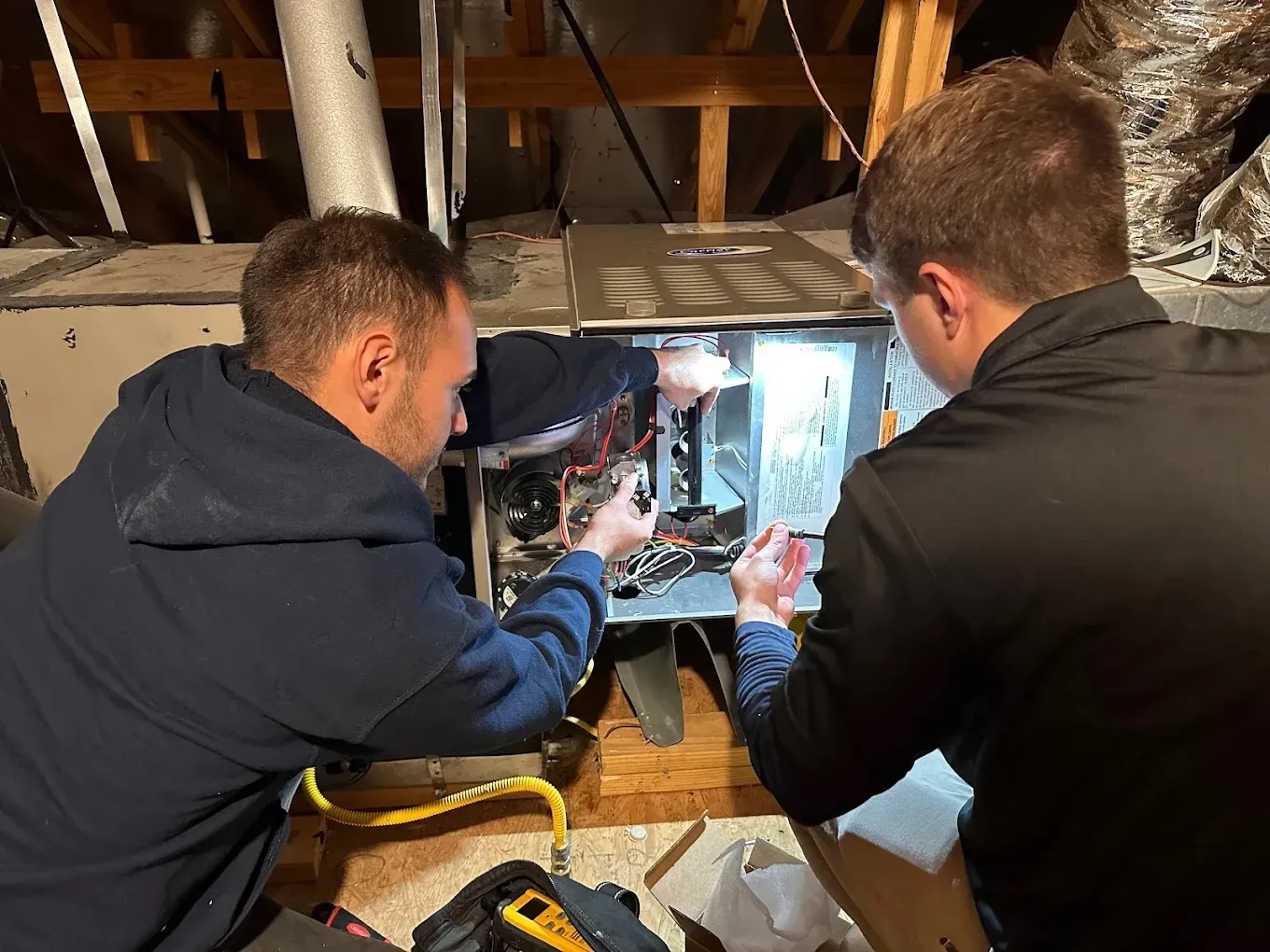
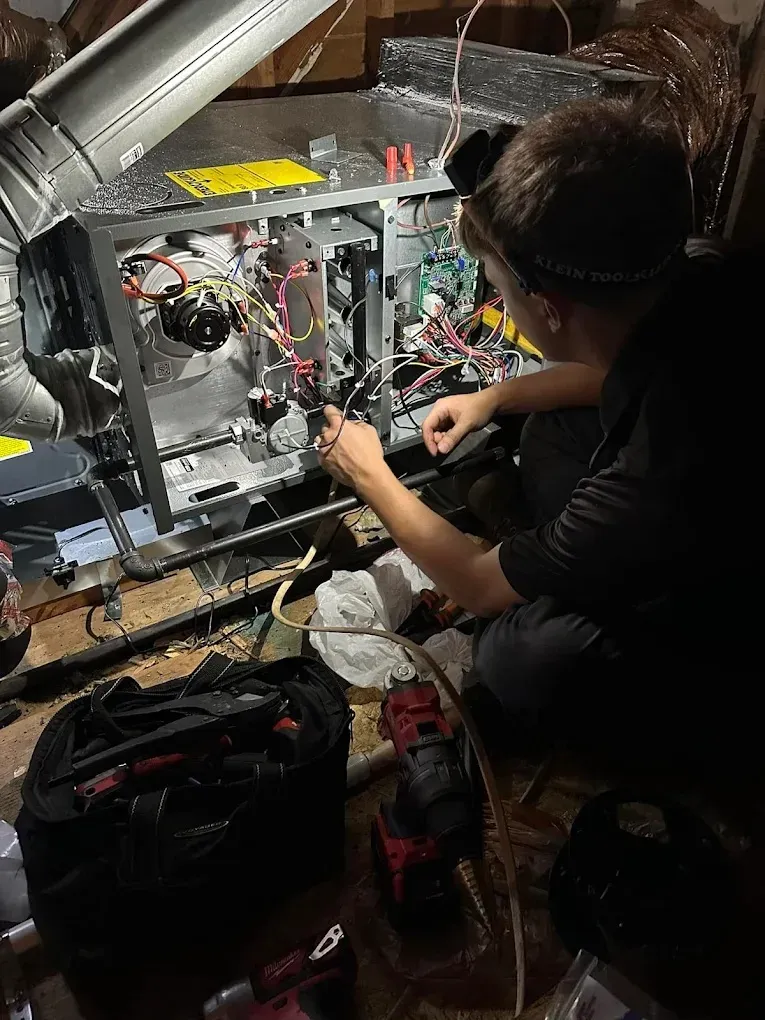
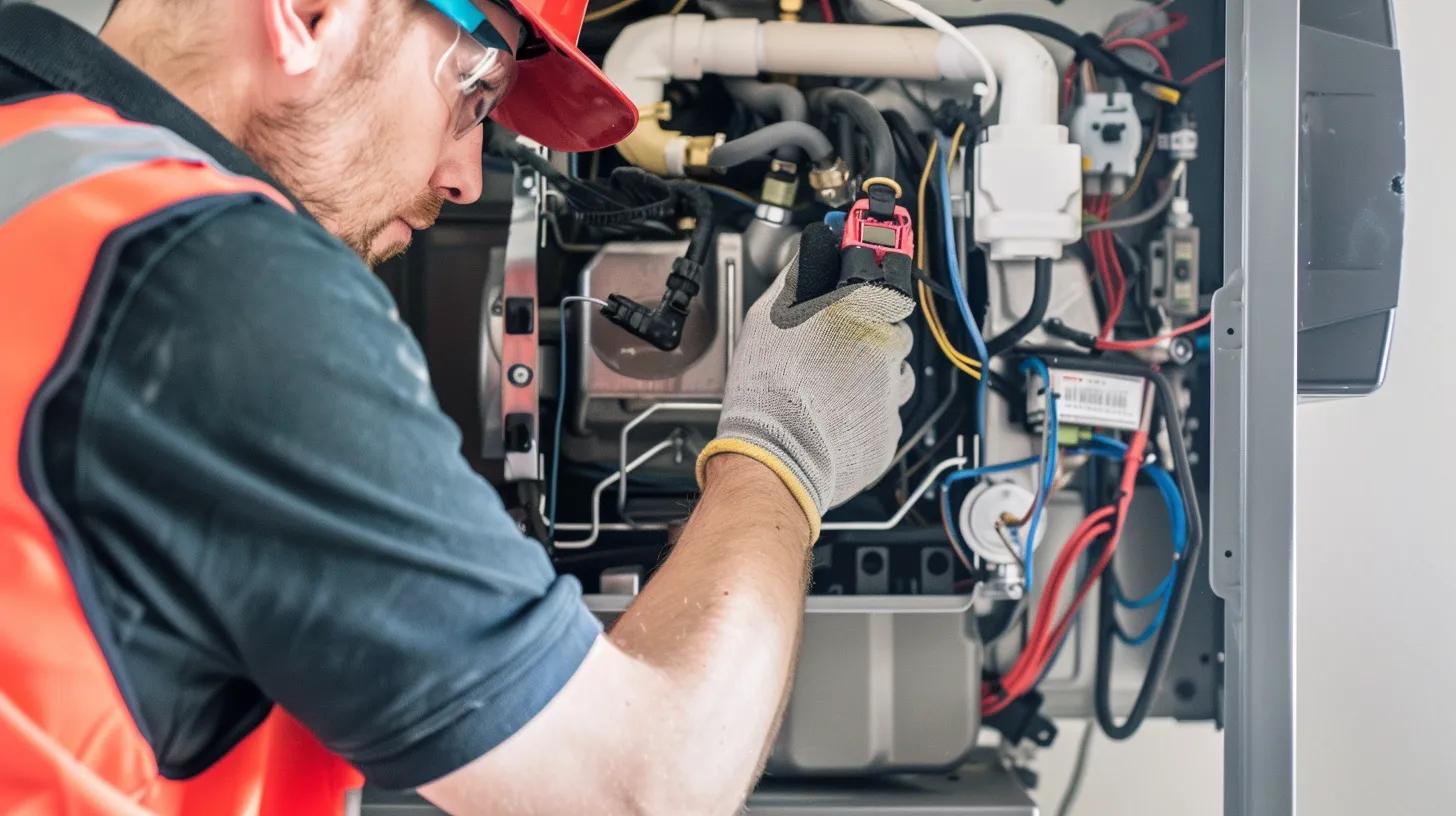
When we inspect your HVAC, we carefully listen and look to find where noises originate. For instance, noises near the blower area may indicate motor problems. Thumping in ducts usually means loose connections or insufficient support. Electrical clicking or humming can reveal relay or fan balance issues. Understanding when and where noise occurs helps us recommend precise fixes.
Tips to Reduce HVAC Noise
We recommend several effective steps to make your HVAC quieter and more comfortable:
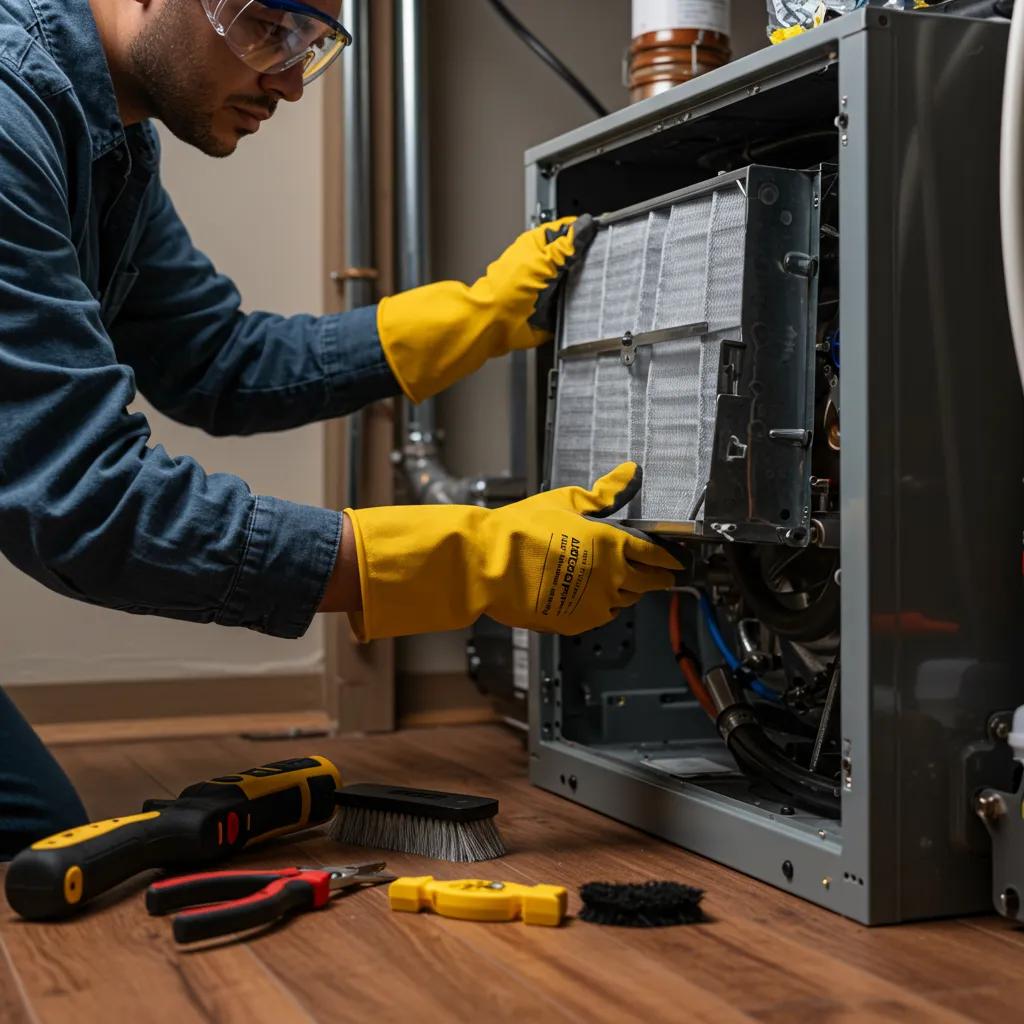
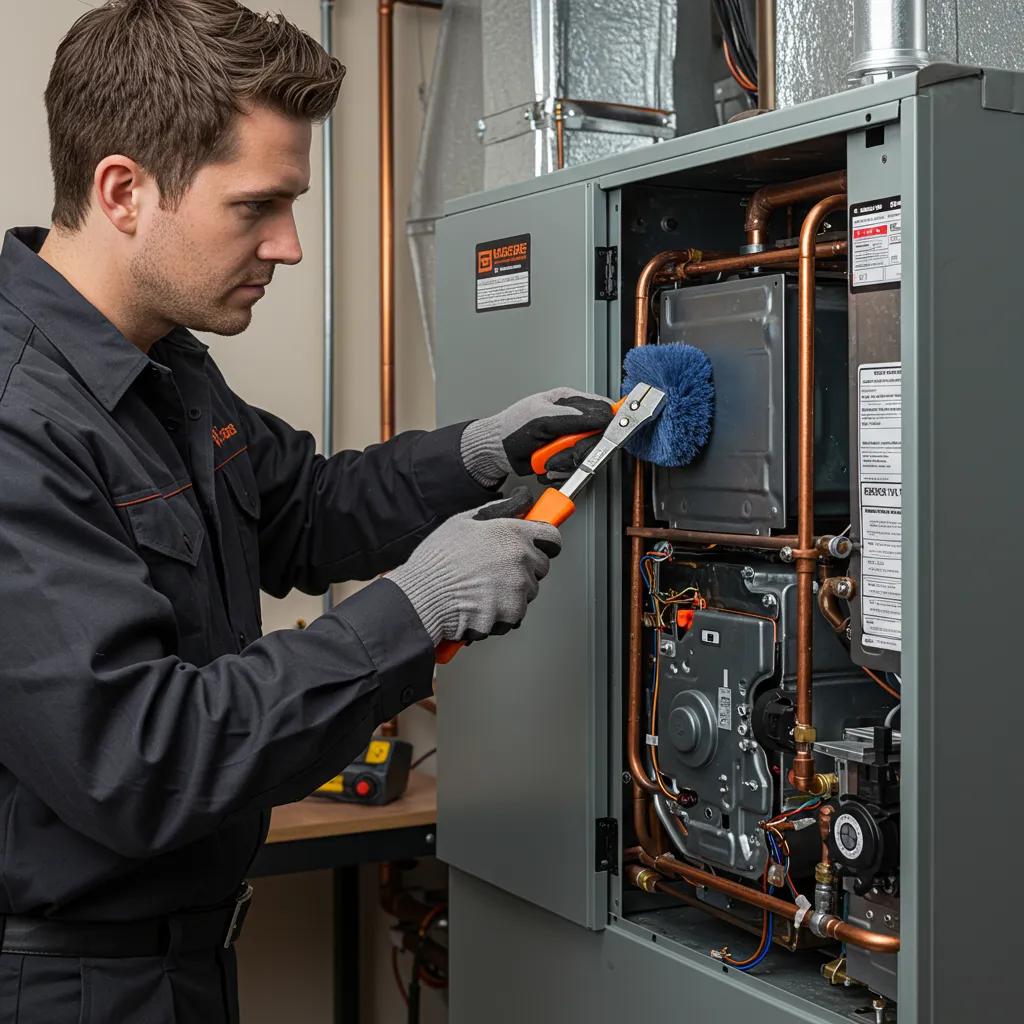
- Regular Maintenance: Routine upkeep is essential to prevent noises. We check and clean filters, ducts, and mechanical parts regularly to avoid strain and excess sound. This proactive approach catches problems before they worsen.
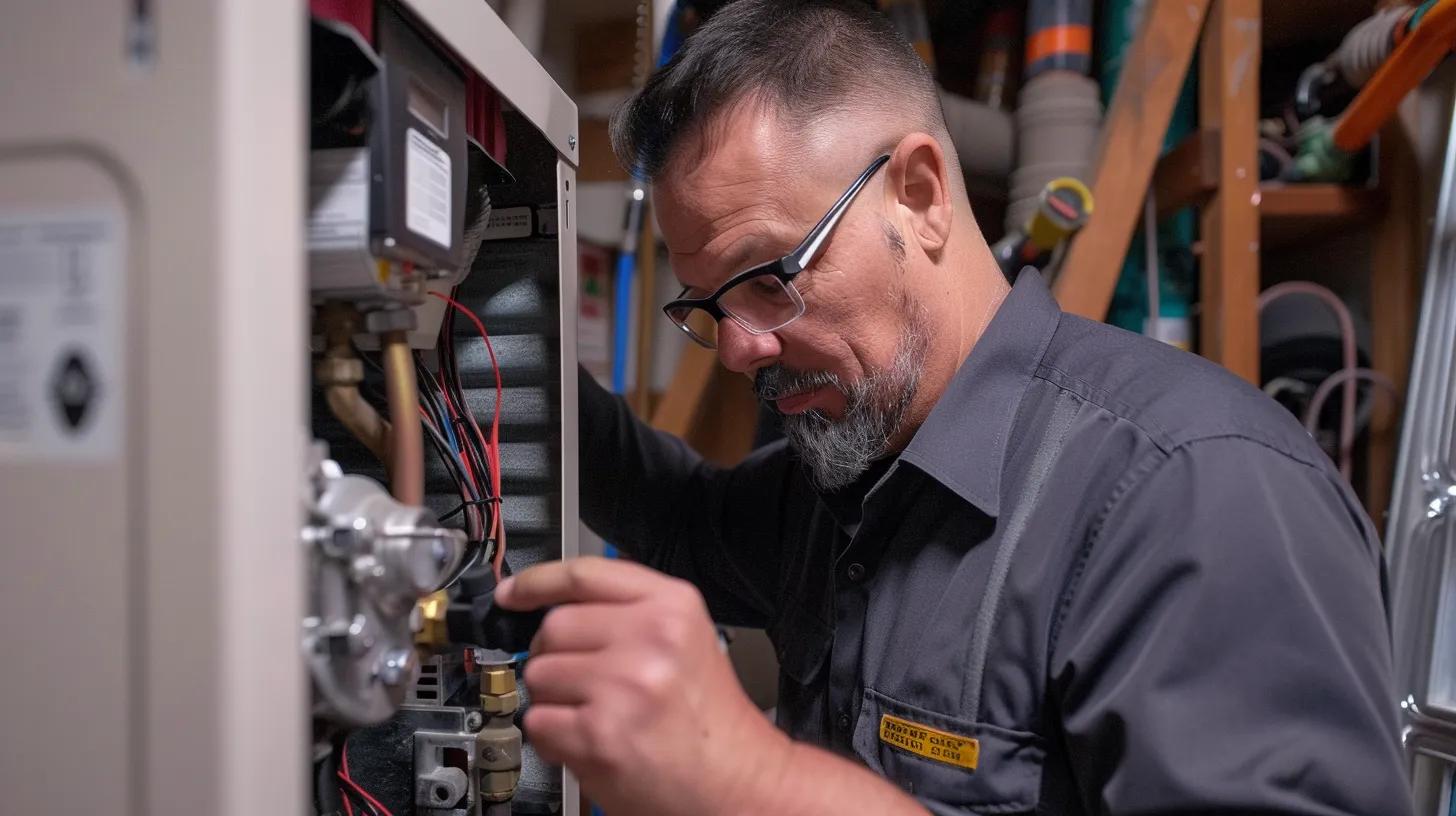
- Professional Assessment: If you notice unusual noises, our experts conduct thorough evaluations to diagnose hidden issues. Homeowners often don’t see underlying causes, so we provide trusted, expert analysis and advice.
- Duct Sealing: Properly sealing all ducts avoids leaks that create noise and waste energy. We ensure your ductwork is airtight and well-supported to improve efficiency and reduce rattling.
To keep your system performing quietly, check filters monthly during busy seasons, inspect ducts twice yearly, and schedule annual professional inspections. Keeping a log of any strange noises and maintenance helps us identify trends and offer timely service.
Types of HVAC Noise and Their Causes
Different sounds point to specific issues:
- Banging or Boiling: These can indicate ignition delays or water flow issues in hydronic systems requiring attentive care.
- Screeching: Usually caused by worn bearings or belts that need lubrication or replacement to restore quiet operation.
- Rattling: Often from loose panels or damaged duct sections; securing these areas minimizes vibration noises.
- Vibration or Buzzing: Caused by loose parts, unbalanced fans, or objects touching equipment; tightening and repositioning parts helps.
- Whistling or High-Pitched Tones: Result from airflow restrictions in ducts; cleaning and smoothing passages improve airflow and reduce noise.
- Clicking or Tapping: Usually electrical relays or thermostats cycling normally; however, persistent loud clicks point to worn components needing inspection.
Recognizing these sounds and their timing aids diagnosis and accelerates repair.
How Routine Maintenance Minimizes HVAC Noise

Our maintenance services focus on preserving quiet operation by keeping parts in top shape. Clean filters improve airflow and reduce system strain. Removing dust from ducts prevents rattling and vibration. Lubrication reduces friction noise, and we perform detailed inspections to catch developing issues early.
We advise the following maintenance schedule to maintain system health in Richmond, TX:
- Monthly: Check and replace filters as needed. Use high-quality filters compatible with your system to maintain airflow without added resistance.
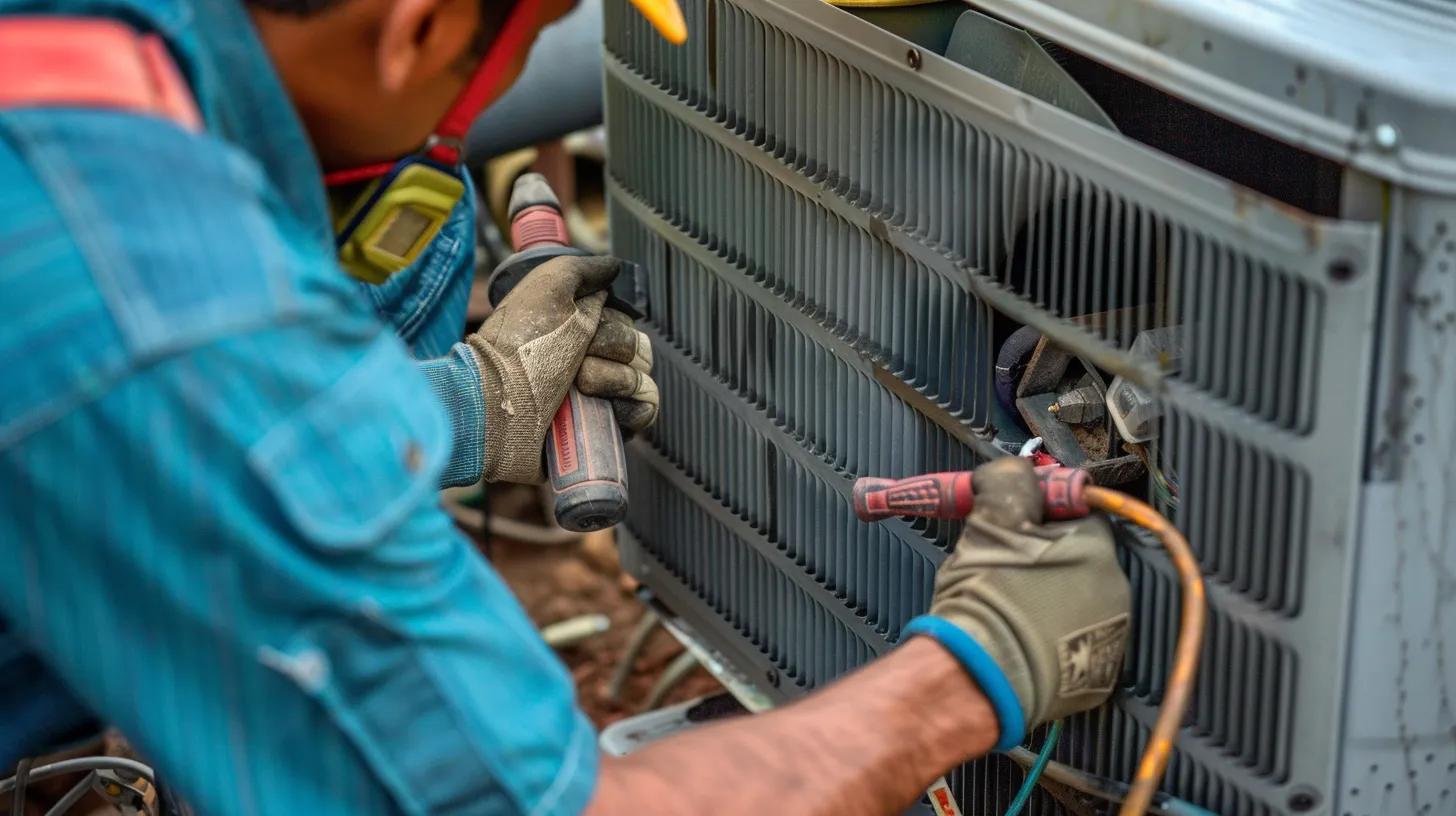
- Quarterly: Inspect outdoor condenser units for debris, vegetation, or objects that may cause vibration and noise, ensuring clear surroundings.
- Annually: Professional service includes lubricating moving parts, inspecting belts and electrical connections, and testing motors for smooth operation and balance.
- Twice a year: Examine ducts for loosened seams, missing sections, or deteriorated insulation that can transmit sound, and perform necessary repairs.
Following this plan helps reduce sudden loud noises and ensures your system operates quietly and efficiently throughout the year.
When to Schedule Professional HVAC Noise Inspections
If your system emits unusual noises or runs irregularly, schedule a professional inspection with us promptly. Annual check-ups help detect issues early, extending equipment life and maintaining energy efficiency.
Arrange a service if you notice new or louder noises, unusual timing of sounds, burning smells, or performance changes like short cycling. Document noise occurrences and environmental conditions to assist our technicians in precise diagnosis.
Best Techniques for HVAC Noise Reduction
We apply multiple strategies to achieve quieter HVAC operation for your Richmond, TX home or business:
- Soundproofing: Installing sound-absorbing materials around units reduces noise transmission effectively. Outdoor condensers benefit from acoustic fencing designed to maintain airflow. Indoor mechanical rooms improve with resilient channels and acoustic panels that limit noise without compromising ventilation.
- Upgrading Equipment: Modern systems, especially those with variable-speed motors and compressors, operate more quietly. We help select and install appropriately sized equipment to prevent noise from overworked units.
- Thermostat Settings: Fine-tuning thermostat calibration and using smart controls reduces unnecessary cycling, cutting down on operational noise.
By integrating these approaches, we deliver quieter environments without major modifications or loss of comfort.
Upgrading HVAC Equipment for Better Noise and Efficiency
Upgraded equipment significantly improves both noise levels and energy use. New compressors and motors run more smoothly with less vibration. Zoning controls optimize airflow, reducing runtime and sound. Smart thermostats manage cycles efficiently, lowering noise disturbances and utility expenses.
We assess your entire system to ensure upgrades work harmoniously. Matching outdoor and indoor components, right-sizing ducts, and adding vibration isolators maximizes noise reduction and performance.
When Is Replacement Advisable?
If repairs become frequent, bills rise despite servicing, or noise persists, replacement may be the best option. Consider system age, reliability, and parts availability. When multiple components near end-of-life, switching to a new, efficient system usually lowers noise and operating costs. We provide detailed comparisons to help you decide between repair and replacement.
How Mega A/C Cooling & Heating Addresses Noise Issues in Richmond, TX
Our approach focuses on understanding your unique noise challenges through on-site diagnostics. We conduct walkthroughs, noise mapping, mechanical inspection, and test runs to pinpoint problem areas and sound paths.
Based on findings, we recommend prioritized solutions like fan balancing, tightening or isolating equipment, sealing ducts, and retrofits to reduce resonance. Our thorough process ensures sound control is effective, cost-efficient, and tailored to your environment.
Benefits of On-Site Diagnosis
On-site assessment helps us identify specific noise sources with accuracy. We verify repairs by retesting after installing vibration isolators or acoustic materials to confirm noise reduction and avoid new issues. This detailed approach ensures lasting results and boosts your confidence in our solutions.
Practical Tips to Enhance HVAC Sound Quality
Improving sound quality involves a combination of strategies that we guide you through:
- Sound Insulation Installation: Using appropriate insulation materials around equipment reduces noise transmission. We recommend dense barriers, absorptive linings inside ducts, and resilient mounts to decouple vibrations.
- Proper Ventilation: Ensuring adequate airflow prevents heat and moisture build-up, which can increase noise. We evaluate and optimize ventilation while maintaining safety and compliance.
- Regular Servicing: Keeping your HVAC system clean and well-maintained promotes quieter operation by preserving component function and preventing noise-related wear.
We consider local codes and practical service access while enhancing acoustic comfort.
Maintaining Quiet Operation Year-Round
Consistent care helps keep HVAC noise low throughout the seasons. We advise:
- Keeping Areas Around Units Clear: Removing clutter supports proper airflow and reduces mechanical strain, lowering noise levels.
- Annual Professional Inspections: Regular expert evaluations catch potential noise problems early, allowing timely resolution.
- Monitoring Noise Changes: Staying alert to new or increasing sounds enables prompt service calls before issues worsen.
Simple seasonal habits like clearing debris from outdoor units, checking ducts after storms, and listening for new sounds after usage changes also help maintain a peaceful environment.
When to Contact Professionals for HVAC Noise Problems
If you notice abnormal sounds or operational trouble, contact us immediately. Early professional intervention prevents damage, costly repairs, and preserves efficiency and comfort.
In emergencies such as smells of burning, smoke, or loud metal grinding, safely turn off your system and seek urgent service. For ongoing noise concerns, providing detailed observations about location, mode, and changes speeds diagnosis and lowers repair time and costs.
How Our Expert Repairs Extend System Life and Comfort
We perform repairs that target noise causes while restoring performance and reliability. Quality work increases equipment lifespan, improves indoor air quality, and ensures smooth operation.
Our technicians balance airflow and test systems post-repair to maintain even distribution and reduce strain. We explain what was fixed, recommend preventive steps, and discuss any needed follow-up, helping you enjoy quieter, consistent operation.
Common Customer Questions About HVAC Noise Reduction
We frequently hear these questions from our clients in Richmond, TX:
- What causes most HVAC noise? We explain typical mechanical, airflow, and installation-related sources and how to address them.
- Are there home remedies to reduce noise? We suggest routine maintenance and simple fixes but emphasize when professional help is essential.
- When should I call a professional? We guide on recognizing signs that require expert diagnosis and repair.
Understanding these topics helps you maintain a quieter, more efficient HVAC system while protecting comfort.
Long-Term Strategies to Prevent HVAC Noise
For lasting noise control, we recommend:
- Regular Check-Ups: Periodic professional assessments ensure early detection and resolution of noise issues, preventing costly problems.
- Investing in Quality Equipment: High-grade HVAC products operate more quietly and effectively handle demand, decreasing noise output.
- Applying Soundproofing Materials: Incorporating acoustic solutions during installation or upgrades yields long-term noise control benefits.
Combined with thoughtful installation—as locating noisy units away from occupied spaces and using professionally sized ducts—these approaches preserve comfort and minimize noise consistently.
Get a Quieter HVAC System with Mega A/C Cooling & Heating
Don’t let HVAC noise disrupt your comfort any longer. Contact Mega A/C Cooling & Heating in Richmond, TX to schedule a professional noise inspection and discover tailored solutions that fit your system and budget.
Our experienced technicians provide reliable diagnostics, expert repairs, and effective noise reduction strategies that improve your indoor environment. Reach out today and experience the benefits of a quieter, more efficient HVAC system.