
Average Cost of Furnace Replacement in Richmond, TX — Complete 2025 Guide
Replacing a furnace is a big home expense. In 2025, installed costs vary widely based on the furnace type, efficiency, and how complex the installation is. This guide breaks down what a replacement job includes, national and Richmond-area price ranges, how fuel type and AFUE ratings affect both up-front and long-term costs, and the usual add-ons that push the final price up. With this information, homeowners can budget more accurately, avoid surprise fees, and decide whether repair or replacement makes better financial sense. In Richmond, Sugar Land, and Missouri City, local labor rates, permit fees, and fuel availability shift national averages into realistic local ranges. Mega A/C Cooling and Heating provides local estimates and 24/7 emergency service when timing is critical. Read on for clear cost tables, a step-by-step installation overview, financing and promotion notes, and short answers to the most common homeowner questions about planning for furnace replacement.
What Is Furnace Replacement and Why Is It Important?
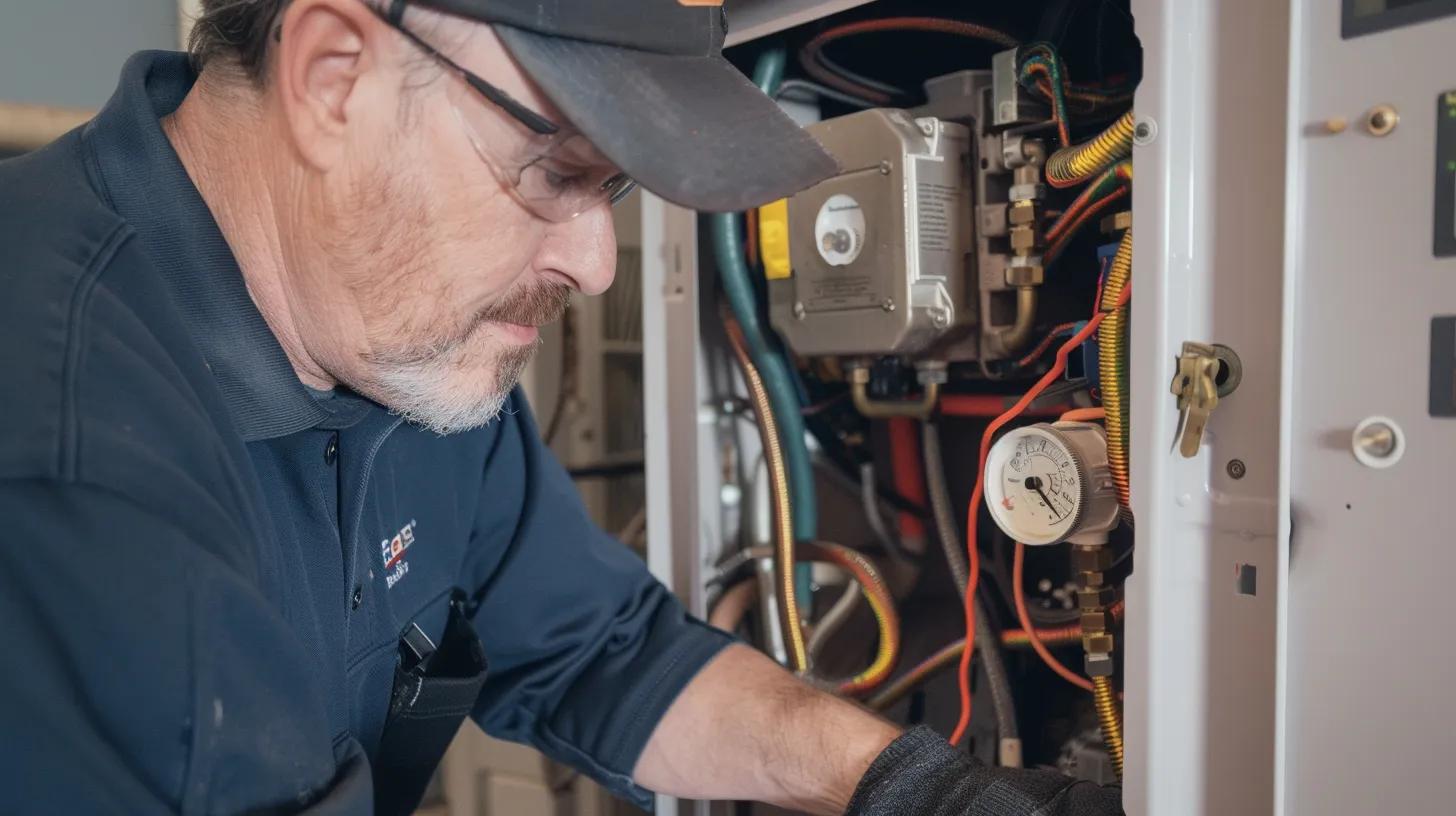
Furnace replacement means removing an old heating unit and installing a new, properly sized furnace with the required connections and safety components. A replacement usually boosts energy efficiency, lowers operating costs, reduces the risk of carbon monoxide from a failing heat exchanger, and restores consistent home comfort. It’s also a chance to upgrade thermostats, fix or seal ductwork, and right-size the equipment so it doesn’t short-cycle. Knowing what the work involves helps you compare estimates, spot missing items, and be ready if the crew finds additional repairs—keeping the job on schedule and minimizing disputes.
What Does Furnace Replacement Include?
A standard furnace replacement covers removal and disposal of the old unit, setting and securing the new furnace, connecting gas or electrical supply, installing or updating venting and flues, hooking up controls and the thermostat, running safety checks, and commissioning the system so it operates correctly. Technicians will inspect ductwork and registers and often recommend sealing or repairs where leaks or mismatched sizing exist—sometimes sealing alone saves more energy than replacing the whole system. Permits and municipal inspections are commonly required and factor into timeline and cost when local code demands them. Knowing these included tasks helps you compare bids fairly and avoid surprises when additional work is found on site.
- What this checklist covers: the common installation steps and typical add-ons.
- How to use it: match each line to contractor proposals to confirm complete pricing.
- Why it matters: omitted items in an estimate frequently become extra charges during the job.
Use this checklist to ask targeted questions and avoid last-minute upgrades that inflate the final invoice.
When Should You Consider Replacing Your Furnace?
Think about replacement if your furnace has ongoing performance problems, is near or past its expected lifespan, needs frequent expensive repairs, or causes uneven heating and rising utility bills despite maintenance. Age is a strong signal—many gas furnaces reach the end of reliable service around 15–20 years. Repeated part failures or signs like rust, banging noises, or suspected heat-exchanger issues usually point to replacement rather than repair. Also consider replacing when a single repair estimate approaches half the cost of a new high-efficiency unit—at that point a new furnace often gives better long-term value and reliability. Planning ahead lets you avoid emergency replacements in cold weather, which can be more expensive and disruptive.
What Is the Average Cost to Replace a Furnace in 2025?
In 2025, installed furnace replacements run from modest three-figure jobs for basic electric units up to several thousand dollars for high-efficiency gas systems that include ductwork work. A commonly cited national installed range is about $2,500 to $7,500. The total price breaks down into the unit cost, labor, permits and inspections, and any ductwork or gas-line modifications—each can swing the final number depending on your home. Local factors in Richmond, Sugar Land, and Missouri City—technician rates, permit schedules, and market supply—usually pull installed costs toward the national midpoint, although complex jobs still reach the high end. Below is a quick comparison of typical installed cost ranges by furnace type to help you scan options and compare bids.
Typical installed cost ranges by furnace type for 2025:
| Furnace Type | Typical Unit Cost Range | Installed Cost Range (2025) |
|---|---|---|
| Gas Furnace (standard) | $1,200–$3,000 | $3,000–$7,000 |
| High-efficiency Gas (95%+ AFUE) | $2,000–$4,500 | $4,000–$8,500 |
| Electric Furnace | $600–$1,500 | $1,500–$3,500 |
| Propane / Oil Furnace | $1,500–$4,000 | $3,500–$7,500 |
These are ballpark ranges. Local labor rates and permit needs usually explain the spread between the low and high ends, so use these figures for planning rather than as final quotes.
What Are the National and Local Cost Ranges?
National averages land near the midpoints shown above, but local differences matter. Richmond-area installs reflect local labor and permit costs and can be slightly below or above national averages depending on supply and demand. For Richmond, Sugar Land, and Missouri City homes, a mid-efficiency gas furnace with minimal ductwork changes typically falls in the middle of the national band; older homes needing duct redesign or gas-line upgrades move toward the higher end. When comparing estimates, confirm whether quotes include permit fees, removal and disposal, thermostat setup, and post-installation testing—those line items often explain apparent price gaps. For Richmond residents wanting a tailored number, Mega A/C Cooling and Heating provides local estimates and promotions and can be contacted to schedule an on-site estimate or emergency service.
How Do Labor and Installation Fees Affect Furnace Replacement Price?
Labor and installation make up a large share of the total cost because licensed HVAC work requires experienced technicians, time for safe gas or electrical hookups, and proper commissioning. A straightforward swap in an accessible closet can take a day or less, while fuel conversions, flue rework, or tight crawlspace installs add time and cost. Complexity drivers include gas-line rerouting, structural access, full duct replacement, and code-required inspections—each adds labor or subcontracted trades. Always ask for a written labor breakdown so you can see how much of the estimate is equipment versus skilled installation time and where potential add-ons might appear.
How Do Different Furnace Types Affect Replacement Costs?
Fuel type and furnace design shape both up-front and ongoing costs. Gas furnaces usually cost more to install but run cheaper where natural gas is available; electric units have lower installation cost but higher operating bills. The right choice depends on local fuel availability, existing infrastructure, your efficiency goals, and whether you prefer to prioritize up-front savings or lifetime costs. Features like two-stage or modulating burners and variable-speed blowers increase installed price but improve comfort and efficiency; higher AFUE ratings carry a premium but lower annual fuel bills. The table below compares fuel types by upfront and operating cost with pros, cons, and local considerations to help you decide.
| Fuel Type | Upfront Cost / Operating Cost | Pros / Cons / Local Considerations |
|---|---|---|
| Natural Gas | Moderate–High upfront / Lower operating | Pros: lower fuel cost where gas is available; Cons: requires safe gas-line connections; Local: common in Richmond area |
| Electric | Low–Moderate upfront / Higher operating | Pros: simpler installation and no combustion emissions; Cons: higher electricity bills; Local: good for homes without gas |
| Propane | Moderate–High upfront / Moderate operating | Pros: viable where no gas line; Cons: requires tank and deliveries; Local: availability affects operating cost |
| Oil | High upfront / Variable operating | Pros: strong heat output; Cons: fuel storage, higher maintenance; Local: less common, may increase install complexity |
This comparison helps you weigh immediate budget limits against expected annual energy expenses and local fuel infrastructure.
What Is the Gas Furnace Replacement Cost and Its Benefits?
Gas furnace replacements often fall in the mid-to-upper installed range because of the cost for gas-rated heat exchangers, venting, and safe gas hookups. High-efficiency gas units add premium pricing for condensing technology and modulating designs. Benefits include lower fuel cost per BTU where natural gas is available, dependable performance, and widespread technician familiarity, which can simplify maintenance. In the Richmond/Sugar Land area, gas is a common choice, but additional gas-line work or venting changes can raise the bill. When evaluating gas options, focus on AFUE rating, correct sizing, and professional combustion safety checks to protect value and safety.
How Much Does an Electric Furnace Replacement Cost?
Electric furnaces typically cost less to install and are simpler to fit, making them a good choice where gas isn’t available. However, they usually have higher operating costs if electricity prices exceed gas. The installed range is lower up front, but compare long-term energy estimates—especially on larger homes or where heating demand is high, since resistance heat can be costly. Converting between fuels requires extra trades and raises price and time, so verify existing infrastructure before switching. Some homeowners pair electric furnaces with heat pumps for milder seasons to balance upfront cost and annual energy use.
What Are the Costs for Oil and Propane Furnace Replacement?
Oil and propane systems are common where natural gas mains aren’t available and bring extra installation details like storage tanks, delivery logistics, and specific venting needs. These factors increase complexity and oversight. Installed costs for oil or propane systems can match high-end gas units once tank and delivery setup are included, and fuel-price volatility affects lifetime operating costs. Propane is often the practical alternative to gas mains, while oil systems are less common and usually require more maintenance and environmental precautions. In the Richmond area, weigh fuel availability and storage implications carefully before choosing these options.
How Do Energy Efficiency Ratings Impact Furnace Replacement Cost?
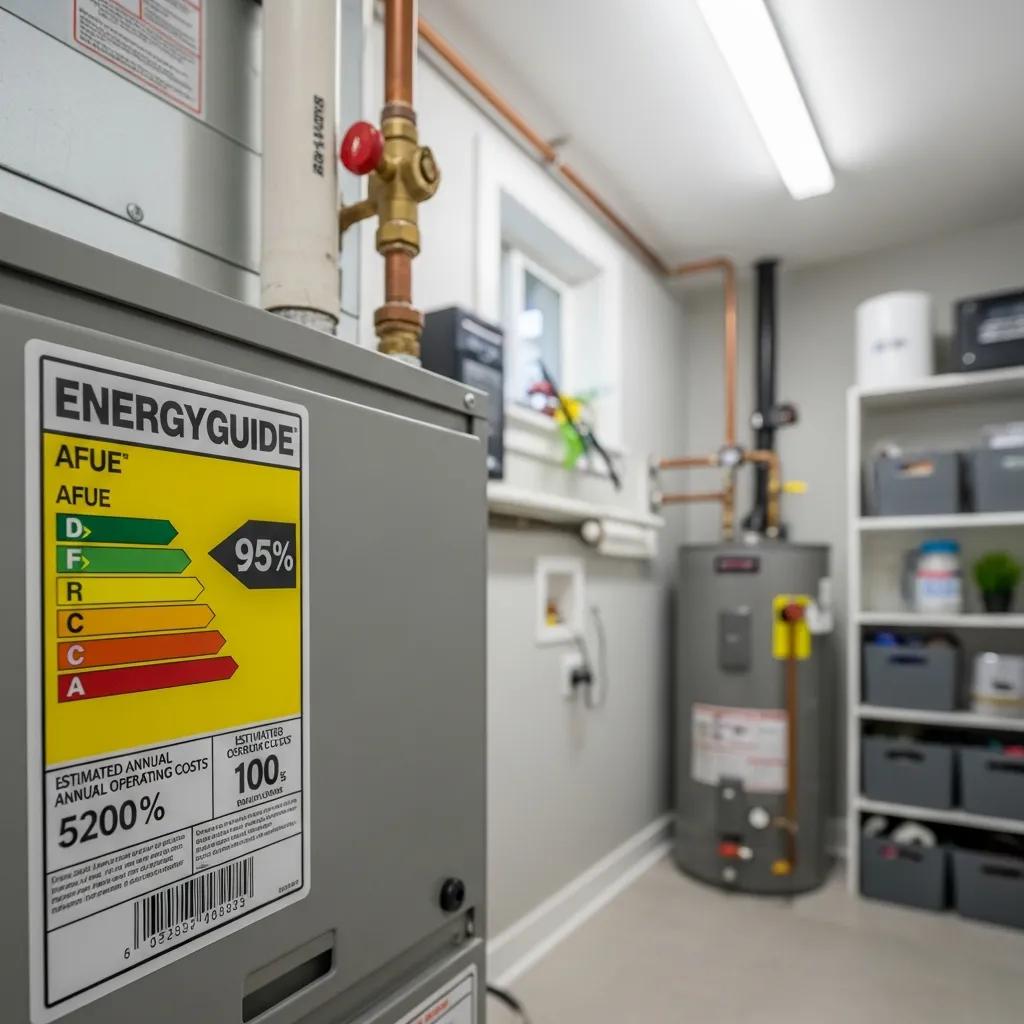
AFUE — Annual Fuel Utilization Efficiency — measures how well a furnace turns fuel into heat and is key when comparing replacement options. Higher-AFUE models (for example, 95%+ condensing furnaces) cost more up front because of extra heat-exchange surfaces and condensate management, but they cut annual fuel use and can pay back the investment over time through lower bills. ENERGY STAR equipment and 2025 incentives may further improve lifetime economics by lowering net purchase cost or offering tax credits for qualifying installations. When you run payback calculations, include local fuel rates, your annual heating load, and expected lifespan to decide whether the efficiency premium makes sense for your home.
This analysis highlights how efficiency improvements affect the total cost of owning and operating a furnace over its lifetime.
Life-Cycle Cost Analysis for Residential Furnace Efficiency
Life-cycle cost (LCC) looks at all costs to buy, install, operate, and maintain a furnace over its useful life. The analysis shows how higher-efficiency equipment reduces operating costs and can lower the overall LCC despite higher up-front prices. The Department of Energy recommends life-cycle cost analysis to judge whether efficiency improvements deliver real savings when considering purchase price, installation, fuel, and maintenance across the appliance’s lifetime.
Life-cycle cost analysis of energy efficiency design options for residential furnaces and boilers, 2012
What Are High-Efficiency Furnace Costs and Benefits?
High-efficiency furnaces typically add several hundred to a few thousand dollars to installed cost compared with baseline units, but homes with sizable heating needs often see payback within a few years. Benefits include lower monthly energy bills, steadier comfort, a smaller environmental footprint, and sometimes quieter operation — results of better heat exchangers, condensing technology, and improved airflow control. Simple payback depends on local fuel prices and how much you heat; for owners planning to stay in their home, high-efficiency units often make financial as well as comfort sense. Also check for local or federal incentives that can reduce the effective price.
Are There Tax Credits or Incentives for Energy-Efficient Furnaces in 2025?
In 2025 there are federal and regional incentives to encourage energy-efficient furnace installations, but eligibility rules change and usually require qualifying equipment and installer criteria. Incentives might be fixed amounts, percentage discounts, or tax credits and can have income, installer, or timing limits. Treat any credit or rebate as a potential offset—not a guaranteed discount—until you confirm program requirements. Consult authoritative program guidance before relying on incentives when choosing a furnace.
Frequently Asked Questions
What are the signs that indicate I need to replace my furnace?
Look for frequent breakdowns, steadily rising energy bills, uneven heating, and unusual noises or smells. If the furnace is over 15 years old and repairs are costly or recurring, replacement may be more economical. Visible rust or corrosion on the heat exchanger or any safety concerns should prompt immediate evaluation. Addressing problems early helps avoid emergency failures and higher costs in peak heating months.
How can I choose the right furnace size for my home?
Right-sizing starts with a heating load calculation measured in BTUs. Factors include home square footage, insulation, window quality, and local climate. A professional HVAC technician can run the calculation and recommend the correct size to ensure efficiency and balanced comfort. Oversized or undersized equipment leads to higher energy bills and inconsistent heating, so proper sizing is essential.
What maintenance is required after furnace installation?
After installation, regular maintenance keeps the system running well. Change filters every 1–3 months, schedule an annual professional inspection, and clean ducts and the furnace as needed. Watch for new noises or odors and report them quickly. Routine maintenance extends equipment life and keeps operating costs down.
Are there specific energy efficiency ratings I should look for?
Yes — check the AFUE rating. Higher AFUE means better fuel-to-heat conversion; modern high-efficiency furnaces often rate 90% or above. ENERGY STAR certification also helps identify efficient units. Higher-efficiency models cost more up front but usually save money over time through lower fuel bills.
What financing options are available for furnace replacement?
Many HVAC companies, including Mega A/C Cooling and Heating, offer financing to spread the cost of a replacement. Options may include low-interest loans, payment plans, or seasonal promotions. Ask about program details, eligibility, and any incentives for energy-efficient models. Reviewing financing alongside estimated energy savings helps you pick the best net cost option.
Conclusion
Knowing average furnace replacement costs in Richmond, TX helps you make informed choices about your home’s heating. By weighing unit type, installation complexity, and local conditions, you can budget confidently and avoid surprises. For a tailored estimate and expert advice, reach out to Mega A/C Cooling and Heating. Start the conversation today and take the first step toward a safer, more efficient, and more comfortable home.
2025 Furnace Replacement Cost Guide for Richmond, TX
Understanding the average costs of furnace replacement in Richmond, TX empowers homeowners to make informed decisions about their heating needs. By considering factors such as unit type, installation complexity, and local market conditions, you can effectively budget and avoid unexpected expenses. For personalized estimates and professional guidance, connect with Mega A/C Cooling and Heating today. Take the first step towards a safer, more efficient, and comfortable home.